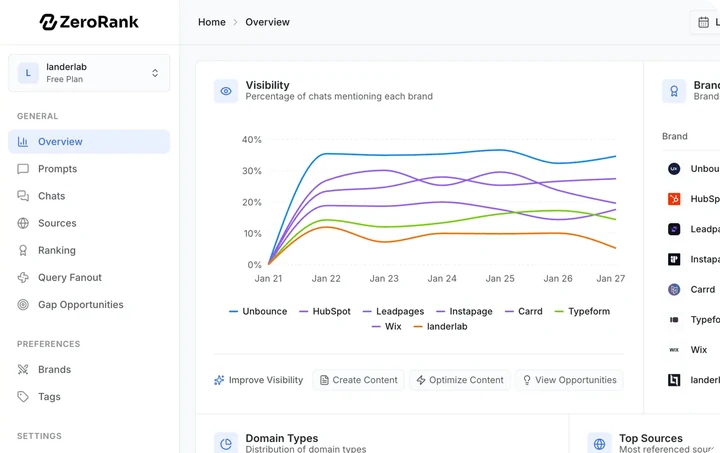
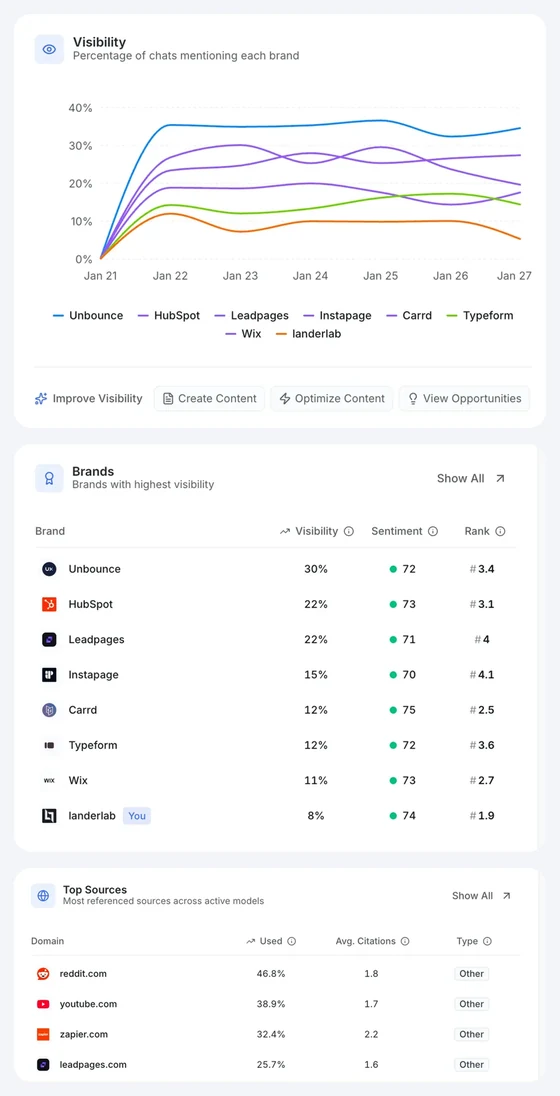
Can’t I Just Ask ChatGPT? What AI Visibility Tracking Adds
Can’t you just ask ChatGPT yourself? My answer to a customer: eight practical reasons to use ZeroRank for ongoing AI visibility work.

Key Takeaways
- Manual ChatGPT checks are a useful starting point; our tool repeats and organizes the research across questions, platforms and dates.
- Inspect recommendations, competitors and cited sources to choose specific improvements for your client.
- Use our tool to execute and automate recurring work, then report what changed alongside business results.
I received this email from a customer preparing to offer AI visibility services.
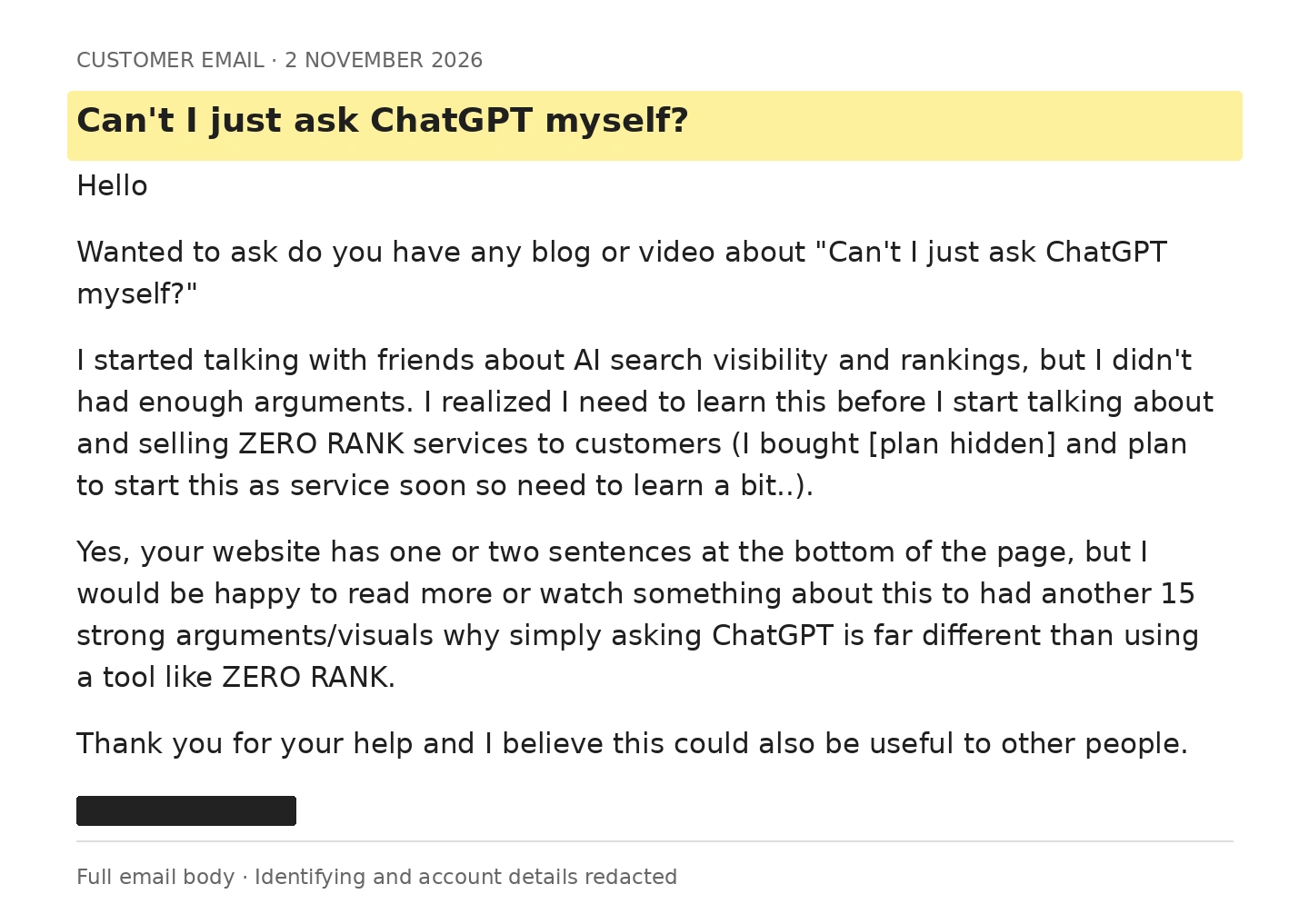
Yes, you can ask ChatGPT yourself. I would encourage you to do that. It is a useful first check, and you do not need a paid tool to ask whether an AI assistant recommends a business.
You asked what our tool adds beyond that.
My answer is the ability to repeat the research, compare the results, find the work that matters and carry it out without starting from scratch every week.
Here are the arguments I would use when explaining that to a client.
1. You can track the questions buyers ask before they know your name
Ask “What is my company?” and you have already told ChatGPT which business to discuss. That does not show whether someone looking for a recommendation would discover you.
For a local laundry business, a more useful question might be “Which laundry service offers same-day pickup near me?” For a software company, it could be “Which tools work best for a small marketing team?”
Our tool helps you research and organize those buyer questions by topic and market. You can build a focused tracking set around the services you want to sell and the customers you want to reach.
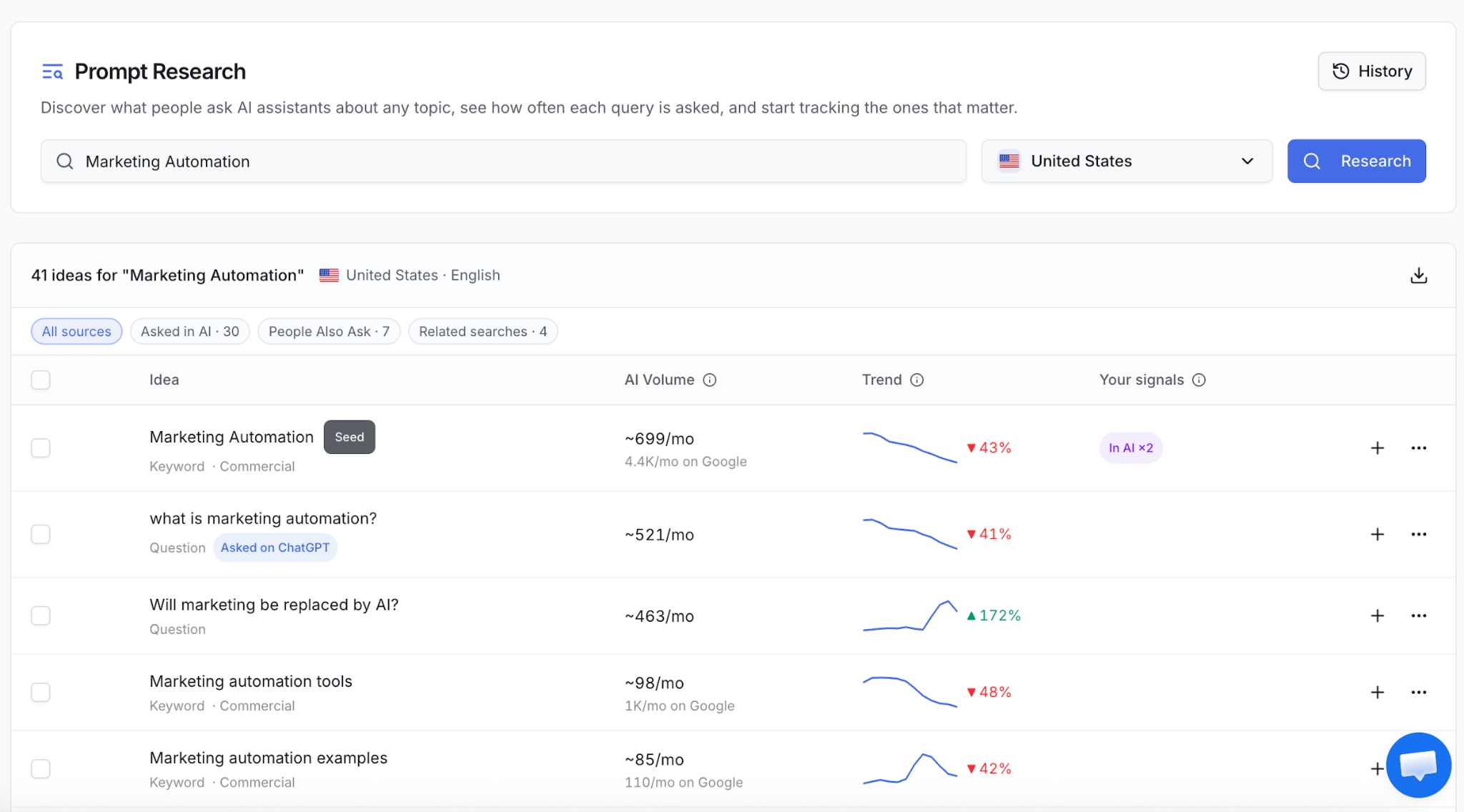
The argument for your client is straightforward: check whether buyers can find you before they search for your name.
2. You can see beyond the answer in your own ChatGPT conversation
Your client’s customers may use ChatGPT, Gemini or Google’s AI search results. They may ask from another country or phrase the same need differently. Checking one conversation leaves those other routes unexplored.
Our tool collects answers across the platforms and markets you select, so you can compare where a business appears and where competitors take its place. You save the repetitive work of opening each platform and recording every answer yourself.
The collection method still matters.
We track both consumer AI-search surfaces and direct API models. I would explain that distinction to a client rather than describe every result as a copy of their personal chat.
3. You can tell whether a result keeps happening
Suppose your client appears today. Was that a one-off answer, or does the business regularly make the shortlist? If the client disappears next week, would anyone notice?
With our tool, you keep the same buyer questions on a schedule (opens in a new tab) and retain the answers, sources and dates. That gives you something to compare after you improve a page, update a profile or earn a relevant mention elsewhere.
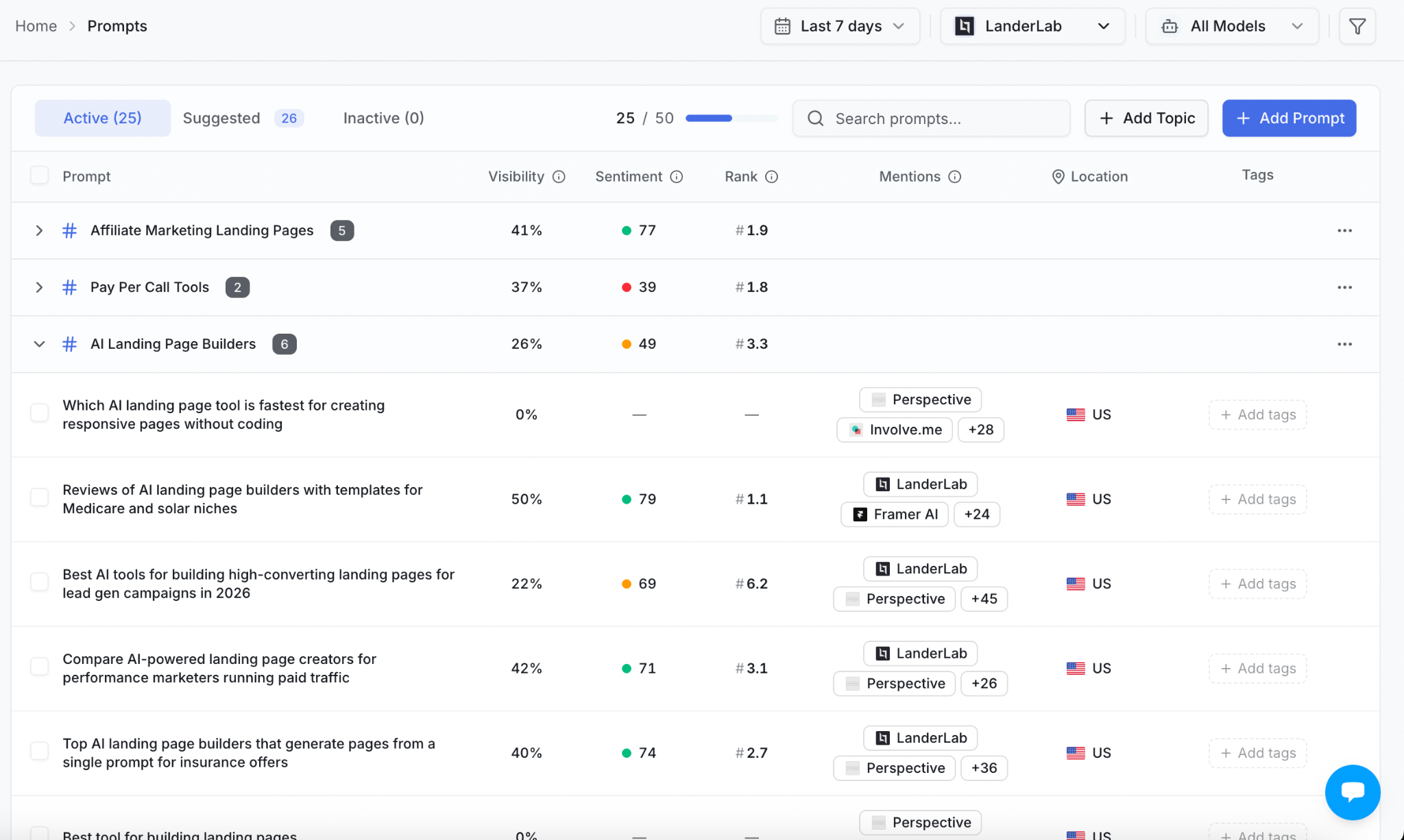
You can do this manually with a spreadsheet.
The advantage is having the collection and history handled for you, so your time goes into understanding the changes and doing the work.
4. You can find the buying questions where competitors appear instead
A single good answer can hide a weak spot in another part of the buying journey. You need to see which needs a business is associated with, which ones it is missing and who appears instead.
We see this with our own brand. In saved US answers dated 2 November 2026, ChatGPT and Gemini included ZeroRank for “Free AI search optimization tools with no signup” and cited our free-tools hub. Selected agency and MCP buying questions omitted us across ChatGPT, Gemini and Claude API.
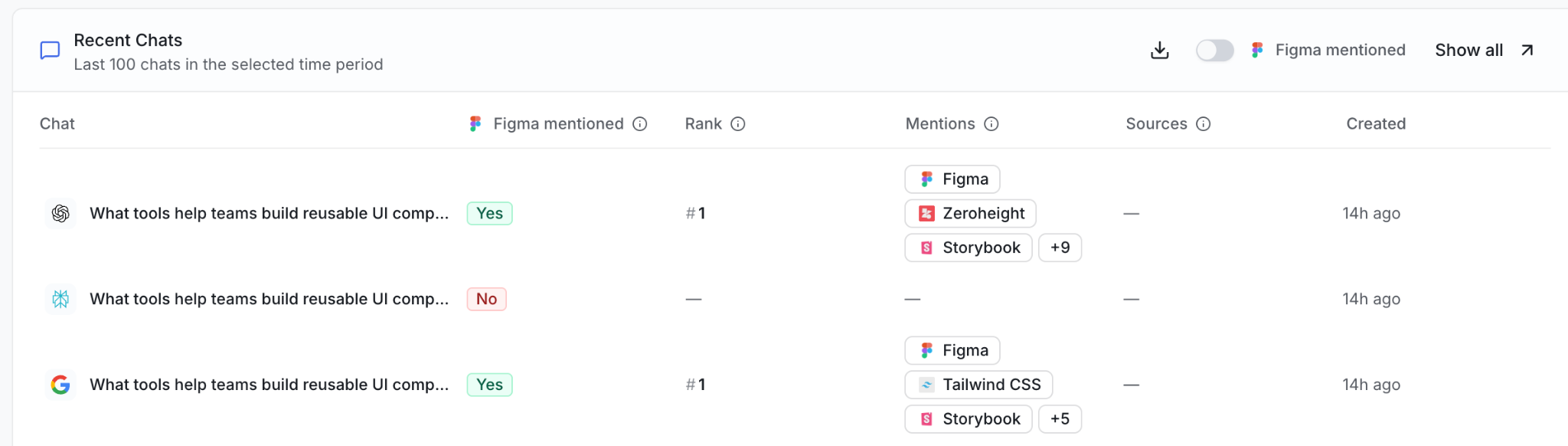
That tells us where to focus: our free tools are appearing in those answers, while broader commercial questions still need work. A branded ChatGPT check would have given us a much less useful picture.
5. You can check whether a mention is actually helping your client
“ChatGPT mentioned us” is only the beginning. Did it recommend the business for the buyer’s need? Did it describe the service correctly? Did it recommend a competitor more strongly?
A mention means the business is named. A recommendation means it is presented as a useful choice. A citation is a page listed as a source. Your client can have one without the others.
ZeroRank keeps the answers behind the metrics, so you can read how the business is described and compare that with competitors.
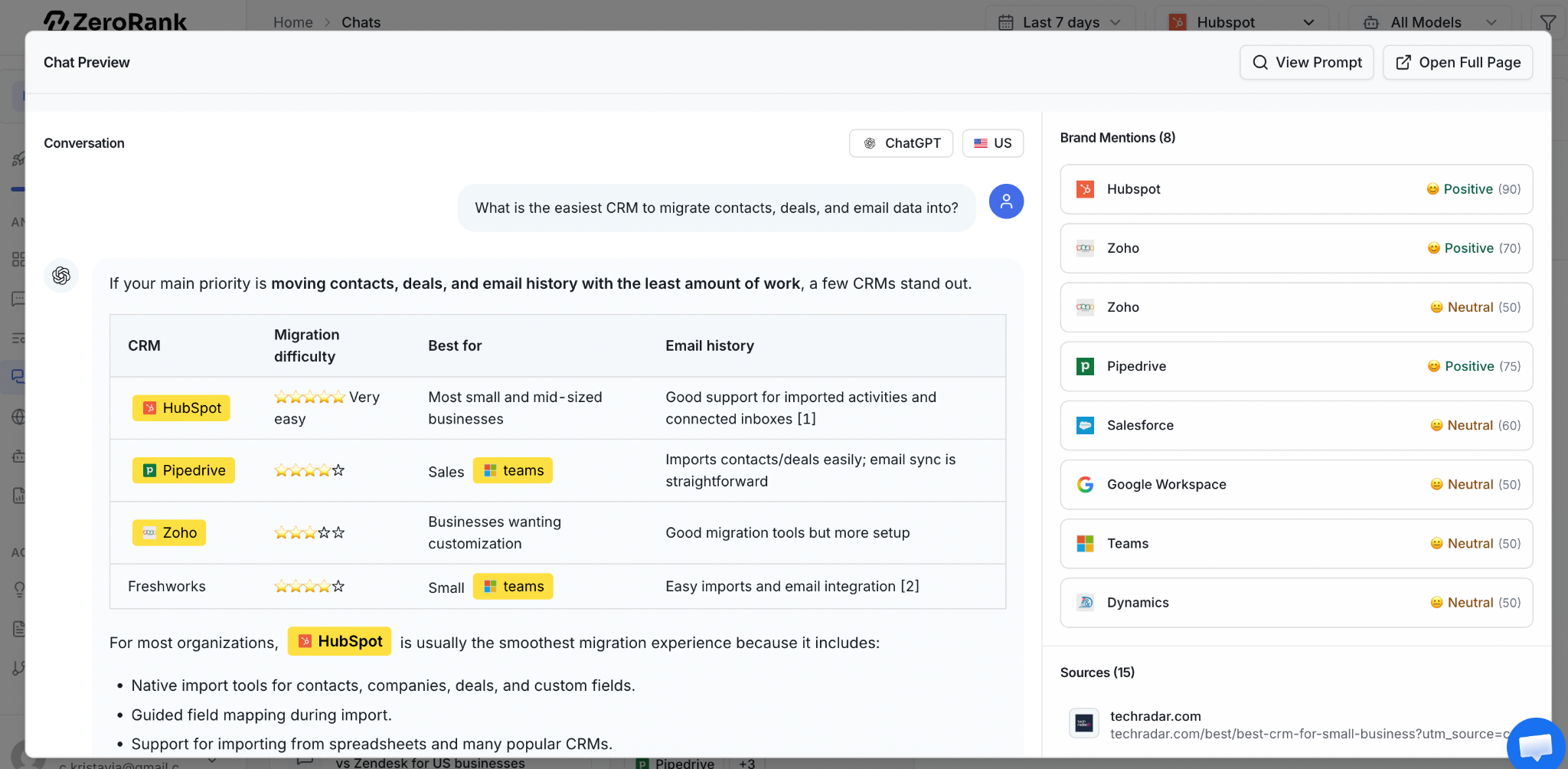
This is the argument for doing more than a yes/no check: you want to understand whether the answer gives a buyer a reason to choose your client.
6. You can turn the cited sources into a useful work plan
If a competitor appears and your client does not, asking ChatGPT “why?” can give you a plausible explanation. I would also want to inspect the pages actually cited in the answer (opens in a new tab).
3Bug Media’s local-business example (opens in a new tab) makes the distinction concrete. A restoration business appeared in answers, but its website was absent from the leading cited sources. The agency identified educational questions its client’s site needed to answer.
“Being named and being cited are two different wins, and they need different fixes.”
— 3Bug Media (opens in a new tab)
Our tool brings those cited pages together. You can see whether the next step is improving an existing page, creating a missing explanation, updating a directory profile or approaching a relevant publisher.
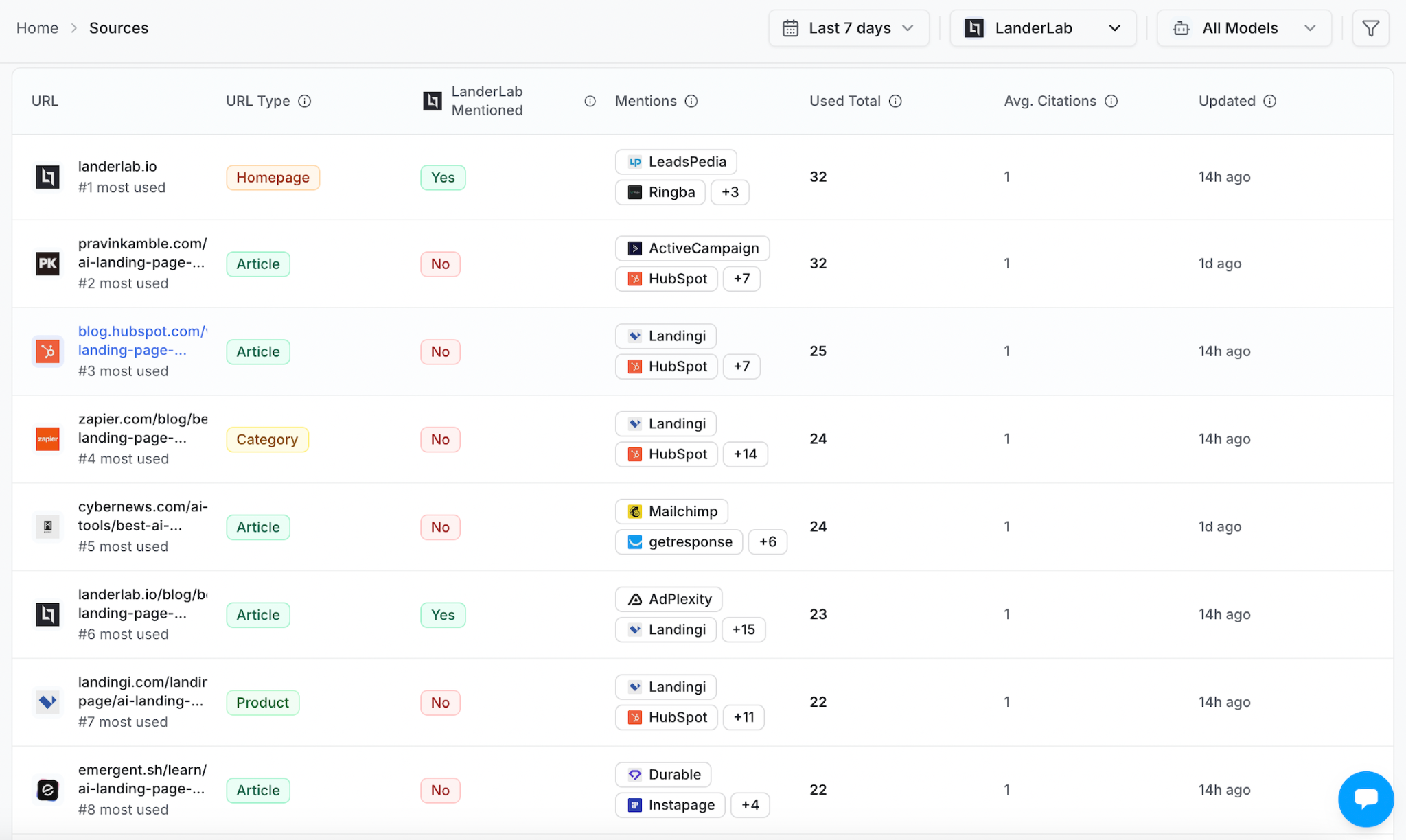
That gives your client a specific plan to work on.
7. You can move from research to execution and automate the repeat work
Collecting screenshots should not become the service you spend all your time delivering. You need time left to make the improvements.
ZeroRank brings tracking, research, content creation and AI search optimization into the same workflow.
You can work conversationally with an assistant through MCP to investigate answers, choose prompts and build a strategy. Our API lets you bring saved answers, citations and rankings into your existing tools and manage your tracking data.
Use those MCP and API connections (opens in a new tab) to automate recurring reviews, prepare content tasks or assemble reports. Decide which steps you want on autopilot and which you want to review.
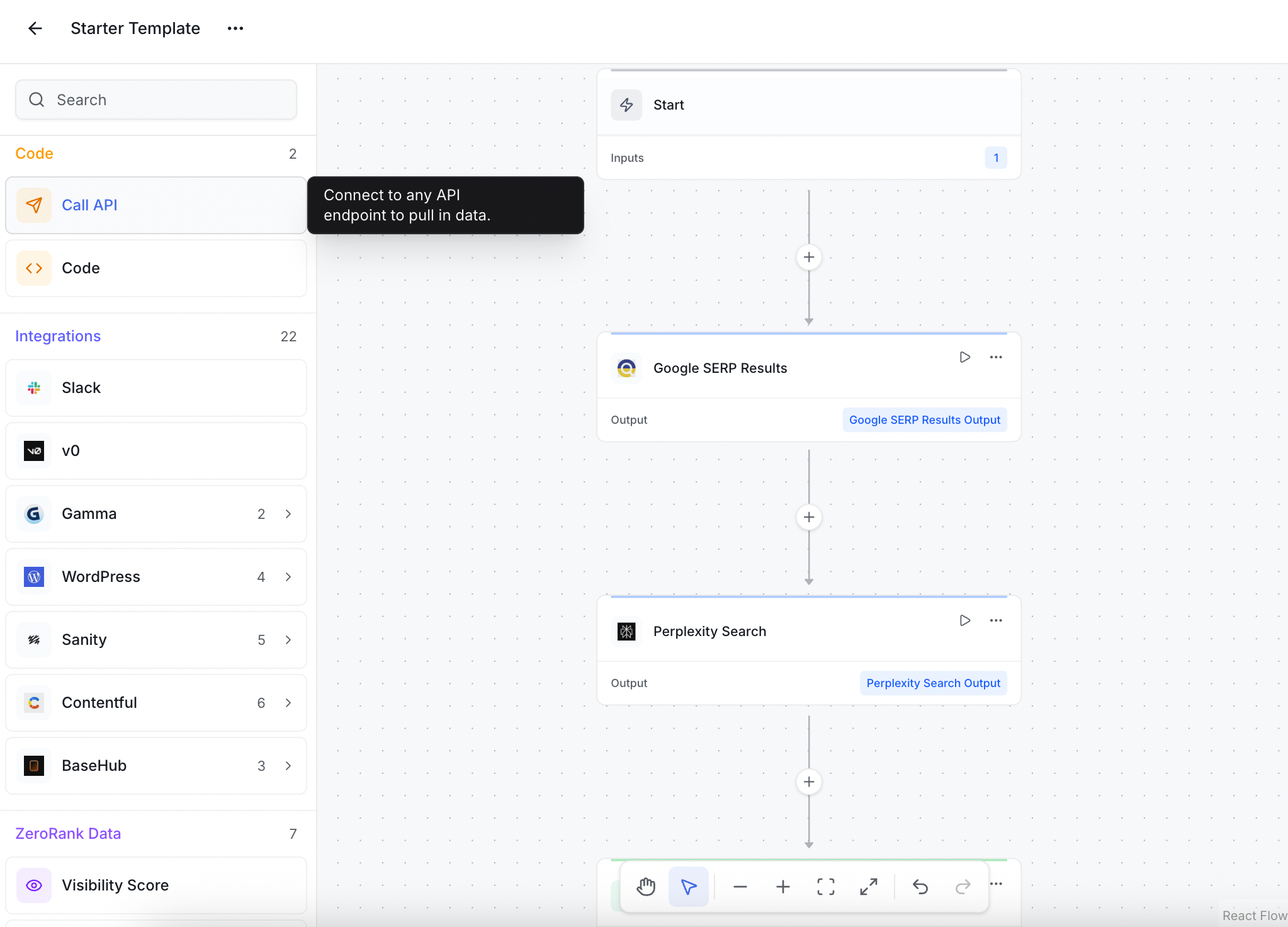
Or you can use a drag and drop interface to build recurring workflows (opens in a new tab). Choose how you wish to work.
The same approach works for a founder on their own, an in-house marketing team or an agency managing several clients.
8. You can show a client what changed and what you did about it
If you plan to offer this as a service, your client will eventually ask: “What did you find, what did you change and what happens next?” A saved answer from one afternoon will not be enough.
With our tool, you can return to the tracked questions, compare the answers over time and share the evidence behind your recommendations. Your report (opens in a new tab) can connect a visibility gap to the work you delivered and the next action you propose.
Then use website and product analytics to check whether relevant visits, enquiries, signups or customers are growing. Visibility gives you evidence about discovery; those business outcomes help you judge whether the work is paying off.
Our AI search analytics guide (opens in a new tab) explains how to bring those measures together.
And this is how one of our ZeroRank users i building AI visibility search reports for his clients.
For your client, the benefit is a repeatable review of both visibility and business results.
So, why not just ask ChatGPT yourself?
You can, and it is a good place to start. If you only want to explore a few questions once, manual checks may be all you need.
But you said you want to offer this as a service. That means choosing the right buyer questions, checking them regularly, comparing platforms and competitors, finding the sources that matter, making improvements and showing your client what changed.
That is why I would use our tool. It handles the recurring collection, keeps the evidence available and helps you turn the findings into work you can execute and automate. You can spend more of your time improving a client’s visibility instead of rebuilding the same research.
Start with a small set of questions your client’s buyers actually ask. Try ZeroRank (opens in a new tab) to build a recurring workflow.
Filed under AI Search Education
Keep reading
All posts AI Search Education
Technical SEO for AI Search: 7 Checks That Matter
Before rewriting for AI search, make sure your best pages can be reached and read. Seven practical checks, direct expert quotes and a live page example.
 AI Search Education
AI Prompt Volume: Which Questions Are Worth Tracking?
Learn what AI prompt volume means, build a prompt set around real buyer decisions, and turn the answers into specific content improvements.

 AI Search Education
24 AI Search Statistics for 2026: Clicks, Citations and Buying Behavior
From search-result behavior to retail conversions, these 24 AI search statistics connect 2025–2026 research with practical marketing decisions. See what to track, how to evaluate citations, and where ZeroRank fits into the workflow.