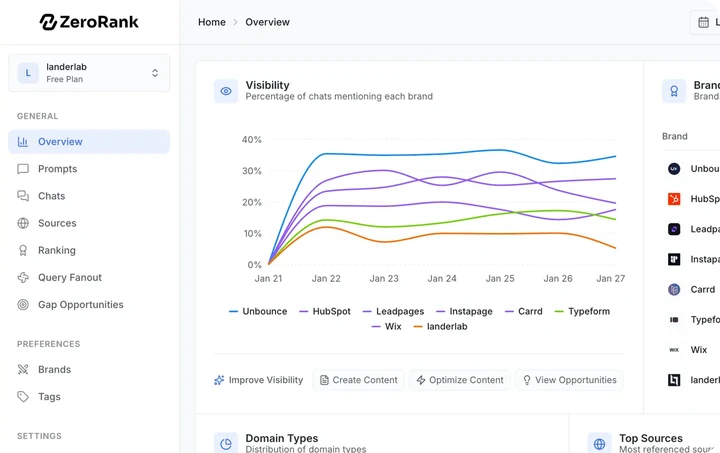
GEO vs. SEO: What’s the Difference?
GEO vs. SEO explained with practical examples. Learn how AI search optimization differs from traditional SEO and how to improve your AI visibility.

Key Takeaways
- SEO targets rankings; GEO targets mentions, citations, and recommendations in AI answers.
- Strong SEO supports GEO, but ranking well does not guarantee AI visibility.
- GEO requires analyzing prompts, AI answers, competitors, and cited sources.
- AI-referred visitors can be fewer but more engaged and likely to convert.
- ZeroRank tracks your brand visibility across 17 AI platforms and shows you what to improve.
SEO helps your website appear in search results. GEO helps your brand appear in AI-generated answers.
The easiest way to understand GEO is through SEO. Before, marketers studied search results to see what Google ranked and why. Now, they also need to study AI answers to see which brands get recommended, how they are positioned, and which sources influence the response.
What SEO and GEO mean in practice
SEO stands for search engine optimization. It improves your visibility in traditional search results. GEO stands for generative engine optimization. It improves your visibility in AI-generated answers.
Suppose you sell project management software.
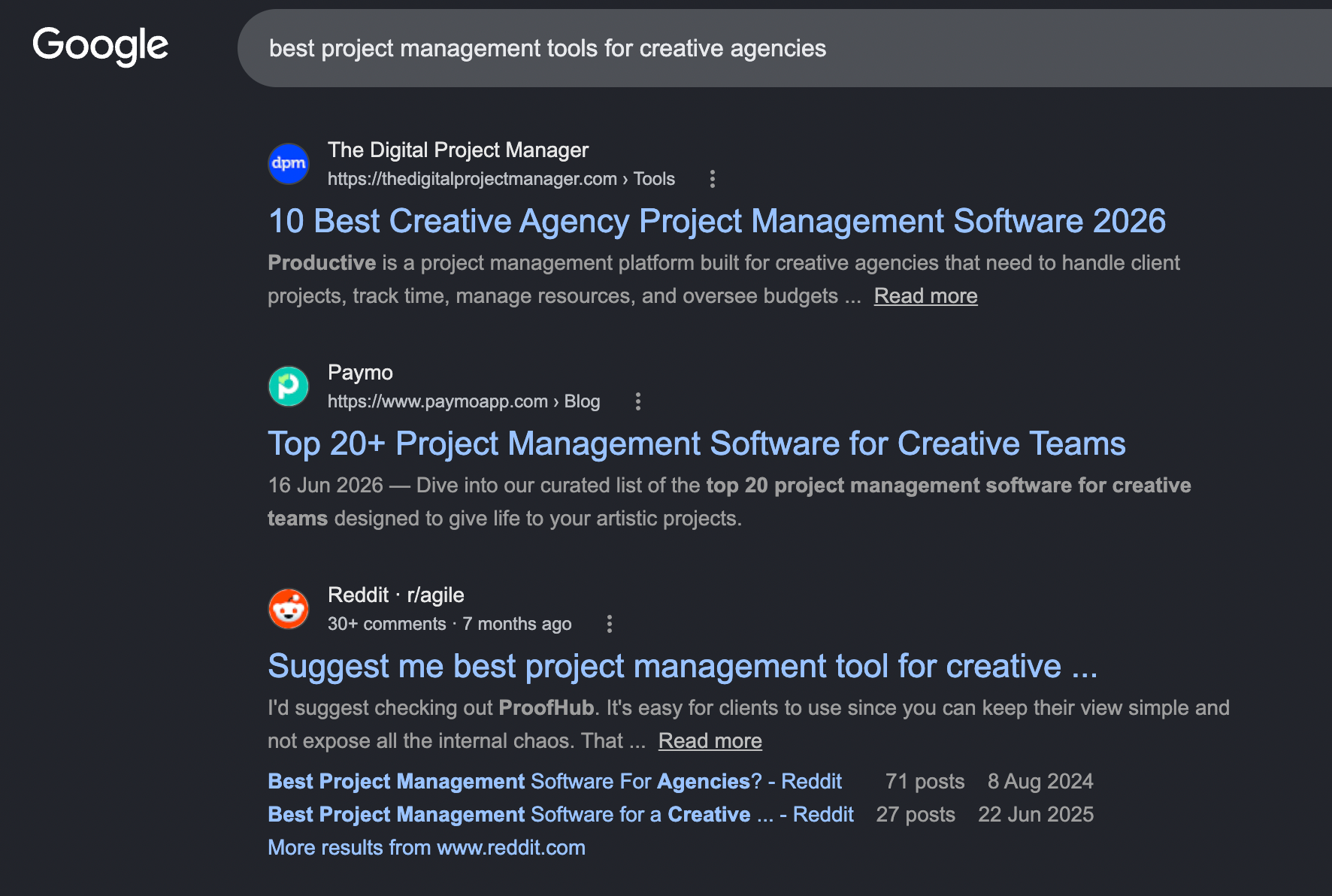
With SEO, you search “best project management tools for creative agencies,” analyze the top-ranking pages, and create a page that can compete.
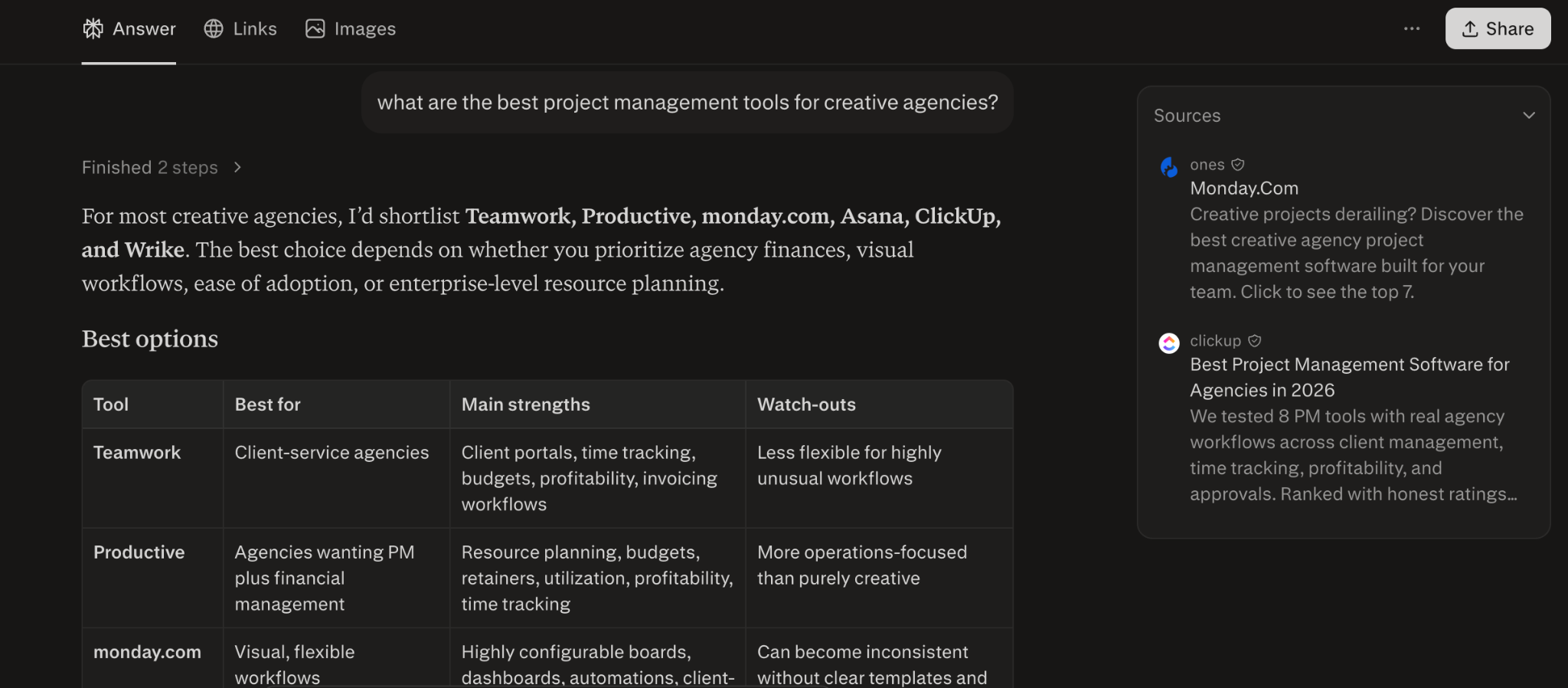
With GEO, you ask ChatGPT, Gemini, Perplexity or another AI model the same question and analyze:
- Which brands it recommends
- How it positions them
- Which sources it cites
- Is your brand included or missing from the recommendation set
You then act on those findings by improving your content or earning visibility in the third-party sources influencing the answer.
SEO measures rankings, impressions, clicks, and traffic. GEO measures brand mentions (opens in a new tab), citations, sentiment, visibility, and recommendation position.
- SEO asks: Does our page rank?
- GEO asks: Is our brand part of the answer?
GEO vs. SEO: The main differences
SEO | GEO |
|---|---|
Targets traditional search results | Targets AI-generated answers |
Focuses on keywords | Focuses on the questions and prompts buyers use |
Competes for page rankings | Competes for mentions and recommendations |
Analyzes ranking pages | Analyzes AI answers, brands, and cited sources |
Usually optimizes a specific page | Improves your content and wider brand presence |
Measures rankings, clicks, and traffic | Measures mentions, citations, AI sentiment (opens in a new tab), visibility, and position |
SEO and GEO overlap, but doing well in one does not guarantee success in the other.
An Ahrefs study (opens in a new tab) of 15,000 prompts found that only 12% of the URLs cited by ChatGPT, Gemini, and Copilot also appeared in Google’s top 10 for the same prompt. Google AI Overviews had a stronger connection with traditional rankings, but standalone AI assistants frequently cited different pages.
As Danni R. from GrowthX (opens in a new tab) explains:
Ranking for a keyword and being cited as an answer are optimized differently.
A page can rank well in Google and never be cited by ChatGPT. A brand can also appear prominently in AI recommendations without ranking first for the equivalent keyword.
Why businesses need to adopt GEO
People are using AI platforms to research products, compare companies, and narrow down their options. Brands that only monitor Google rankings cannot see what happens during this part of the buying journey.
AI answers also reduce the need to visit multiple websites. Pew Research Center found that users clicked a traditional result during 8% of Google visits containing an AI summary, compared with 15% of visits without one.
However, the visitors who do click through from an AI platform can be more valuable because they have already researched their options.
Adobe’s AI Traffic Trends Report (opens in a new tab) found that AI-referred visitors:
- Spent 59% more time on the website
- Converted at a 60% higher rate
- Generated 53% more revenue per visit
As Chris Panteli, founder of Total Authority (opens in a new tab), puts it:
The new model is: be recommended before the click ever happens.
If your competitors are recommended and your brand is missing, they can influence the customer before that person reaches Google or visits a website.
GEO requires a new set of AI visibility tools
Traditional SEO tools remain useful, but they were built to track keywords, rankings, backlinks, and organic traffic. They cannot show you everything happening inside AI-generated answers.
To do GEO properly, you need AI search visibility tools that can track:
- Whether your brand appears
- How often it is mentioned
- Where it appears in the answer
- How it is described
- Which competitors are recommended
- Which websites are cited
- How the results change across AI platforms and over time
Answers can vary by platform, location, and run. Checking a few prompts manually is not enough. Otherwise, you are making decisions based on a small snapshot rather than a reliable pattern.
AI search visibility tools (opens in a new tab)like ZeroRank AI give you the visibility you need into the AI models and the tools to improve your visibility.
How to start with GEO using ZeroRank AI
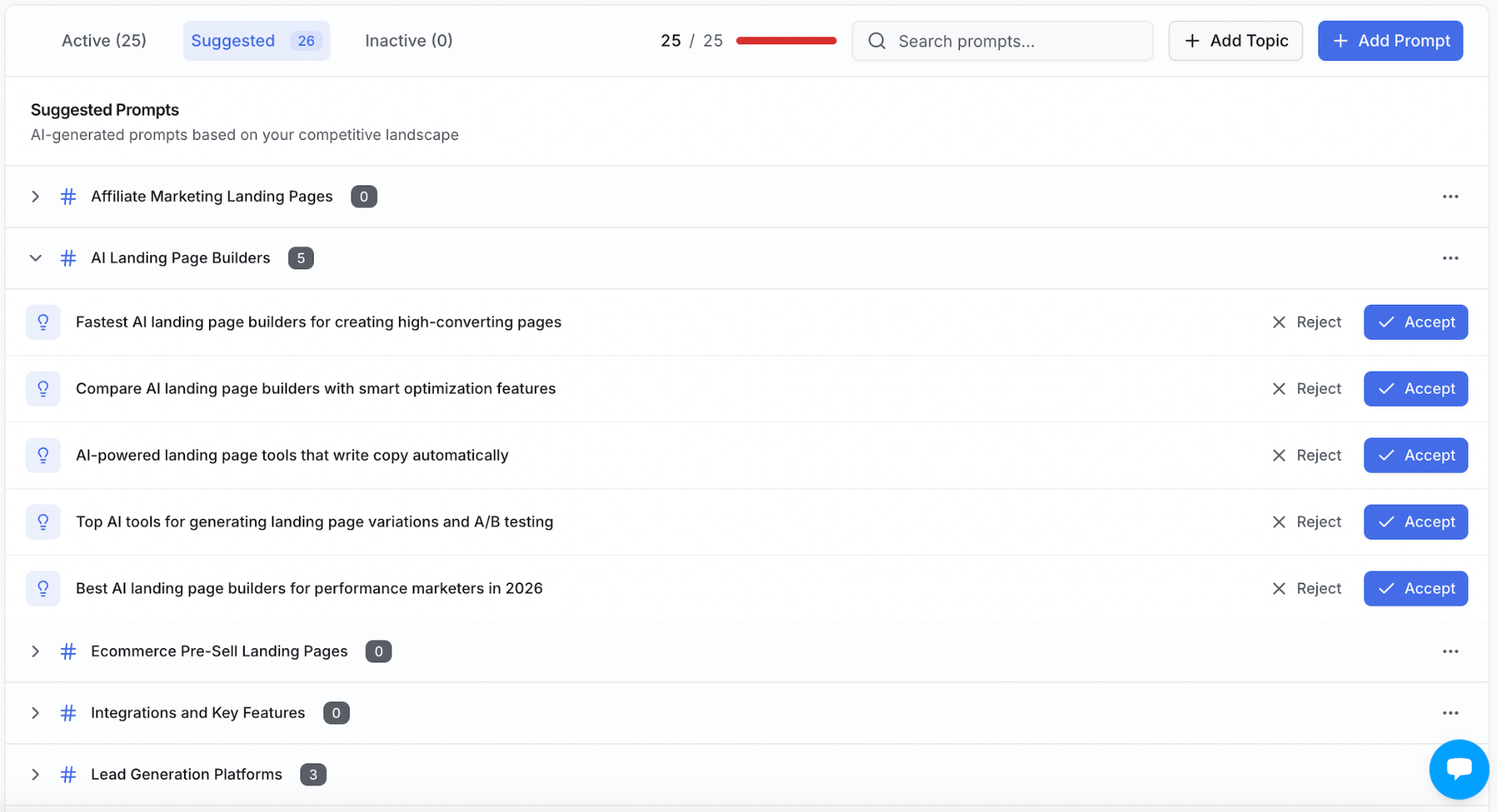
Start with the prompts most likely to influence a buying decision. ZeroRank gives you a list of suggested prompts upon setting up your account.
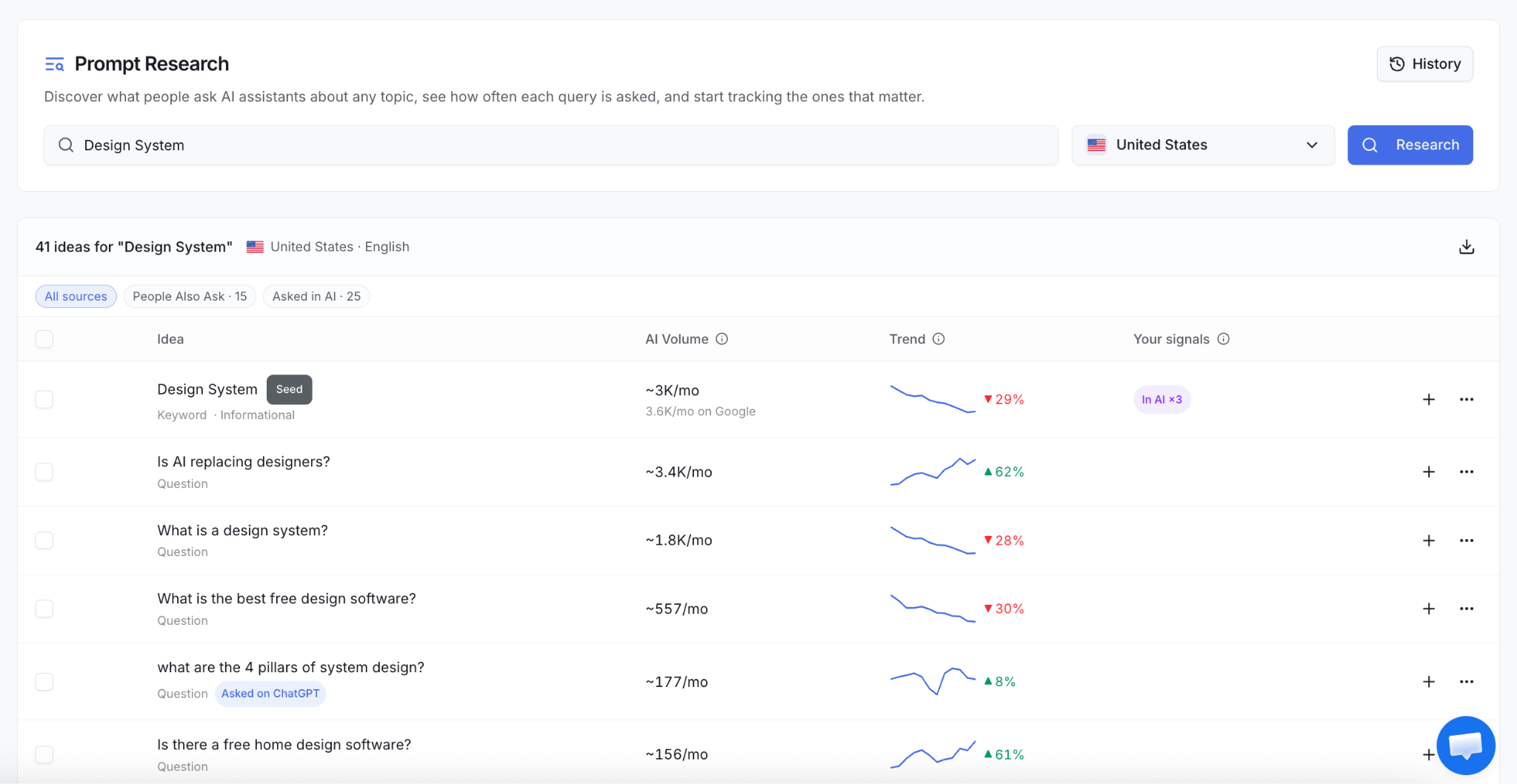
You can dig deeper with ZeroRank’s Prompt Research feature. It helps you discover new topics and get estimated volumes and trends.
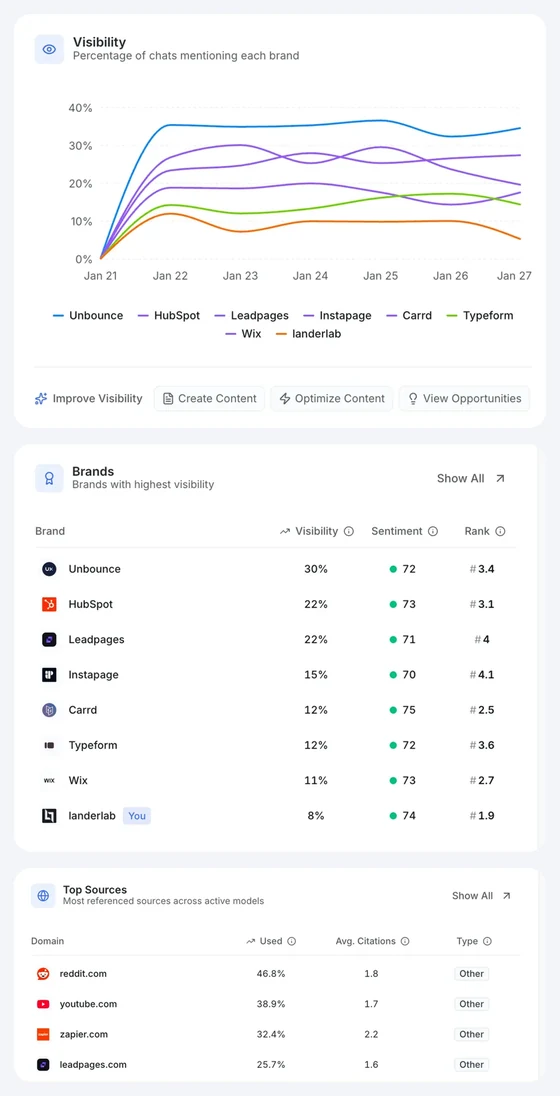
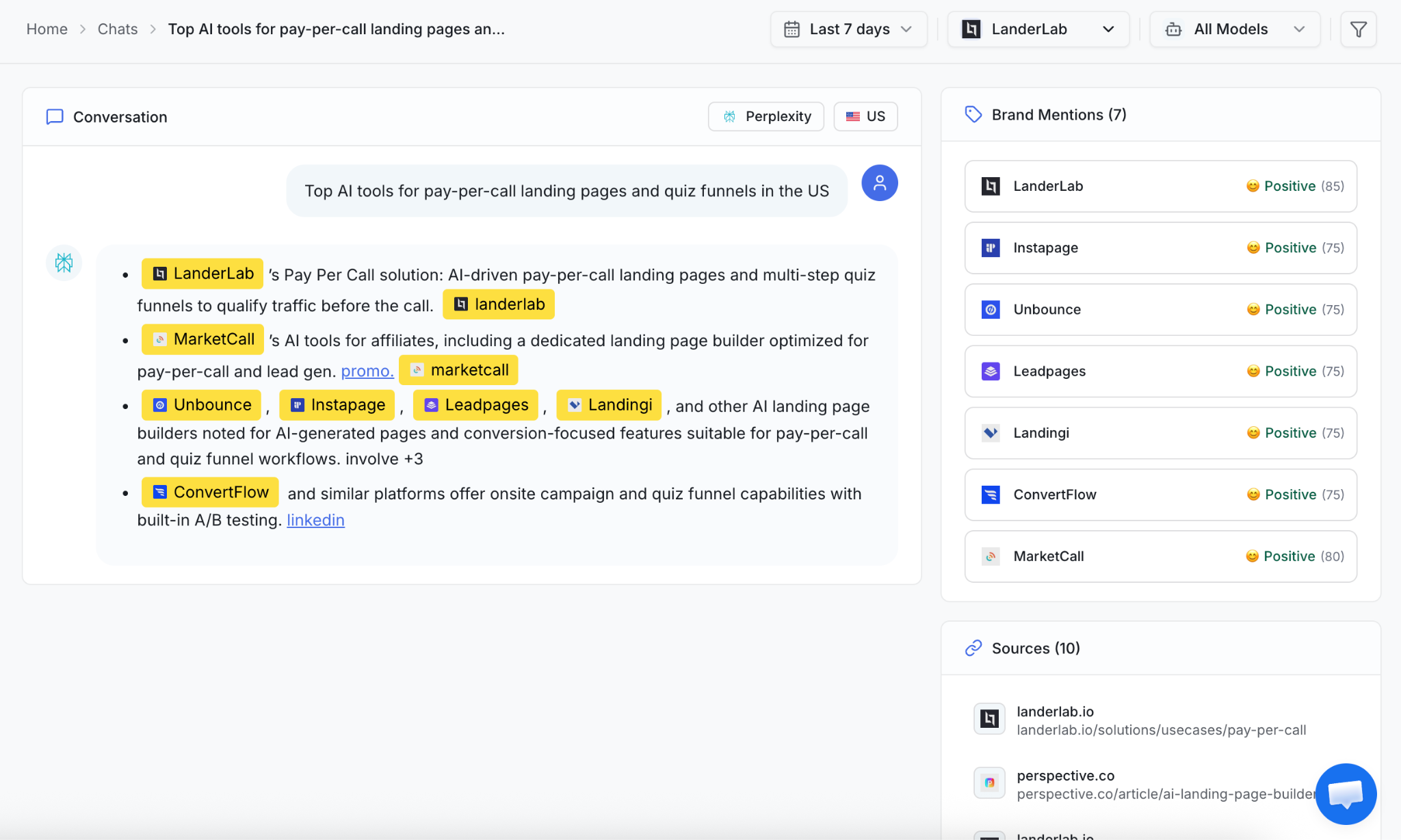
ZeroRank AI runs tracked prompts (opens in a new tab) through the live interfaces of 17 AI platforms and stores the generated answers as Chats. Each chat retains the full answer, the brands mentioned, and the sources cited.
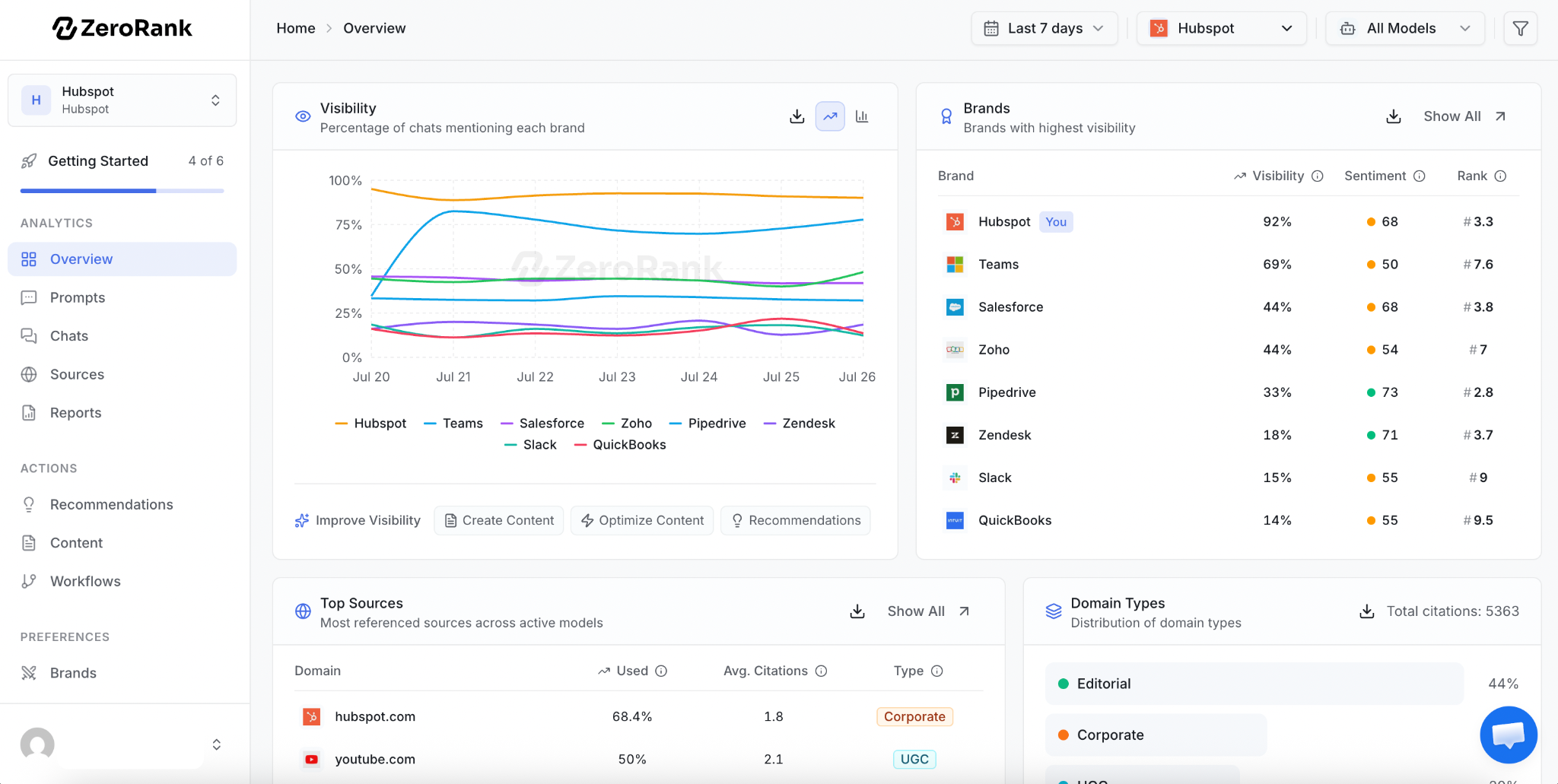
You can look at the visibility metrics (opens in a new tab) at the prompt level or check your visibility overall to find patterns and gap opportunities.
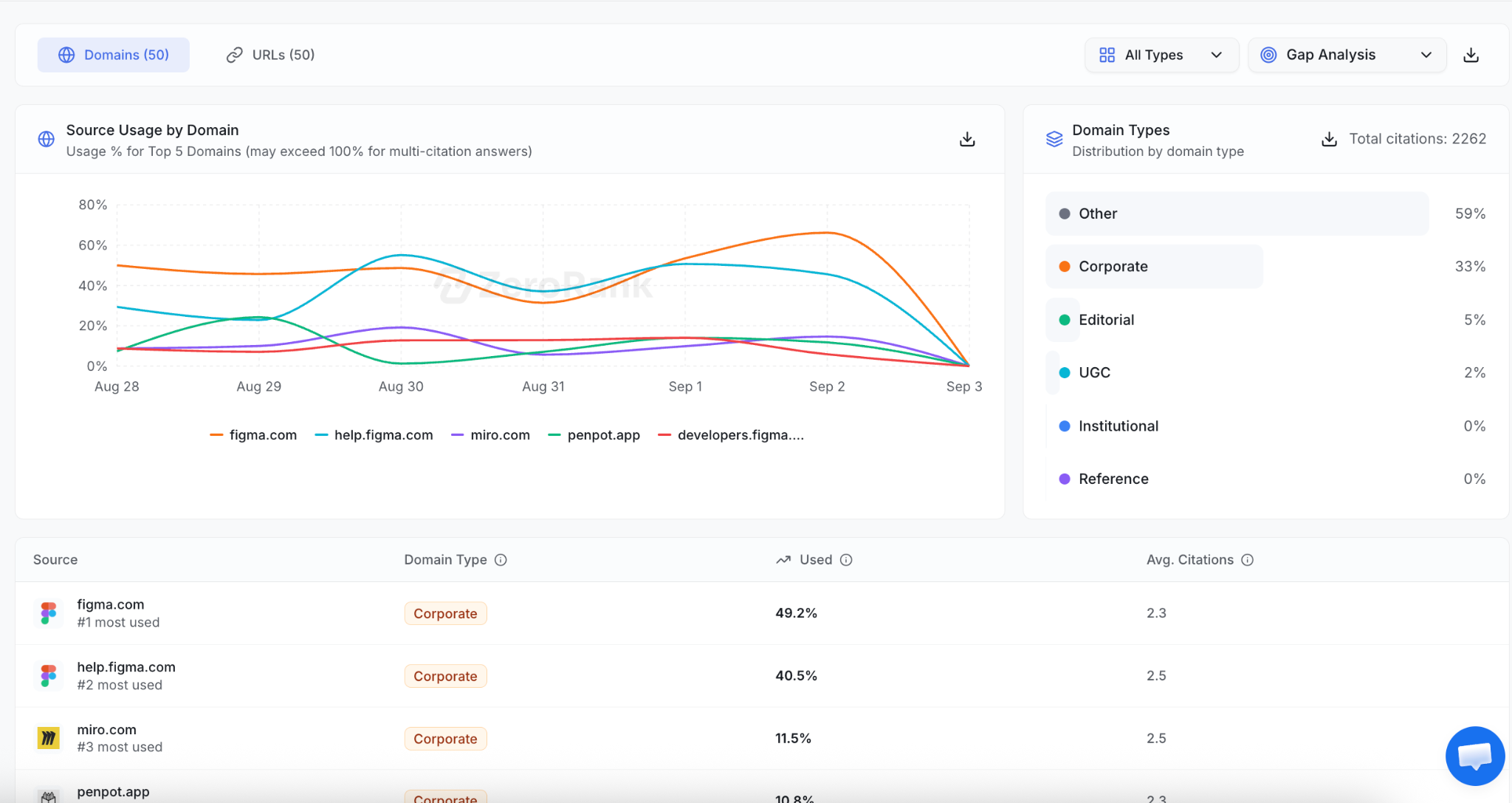
You can check your overall prompt performance and the main sources LLMs rely on. The type of sources can be different depending on the industry you operate in.
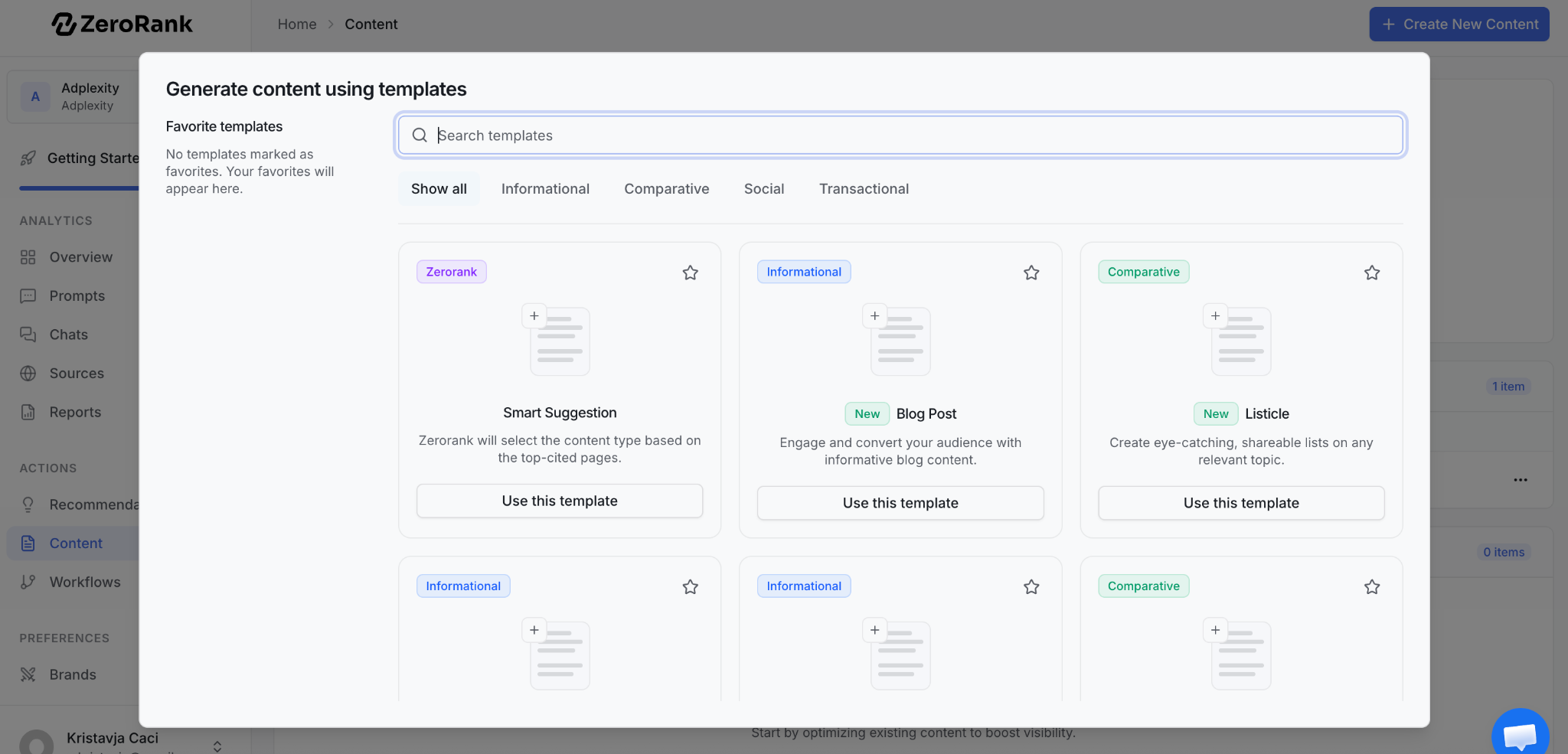
ZeroRank then turns all this data into practical on-page, off-page, and technical recommendations. You can then use content creation, optimization, and automated workflows to execute on these recommendations.
This gives you a practical GEO process:
- Track relevant prompts. Focus on recommendation, comparison, alternative, and problem-based questions.
- Analyze the answers. See whether your brand appears, how it is positioned, which competitors are winning, and which sources influence the response.
- Find the opportunity. Determine whether you need to improve your own content, create something new, earn third-party coverage, or fix a technical issue.
- Execute the work. ZeroRank provides prioritized on-page, off-page, and technical recommendations, alongside content creation, optimization, and automated workflows.
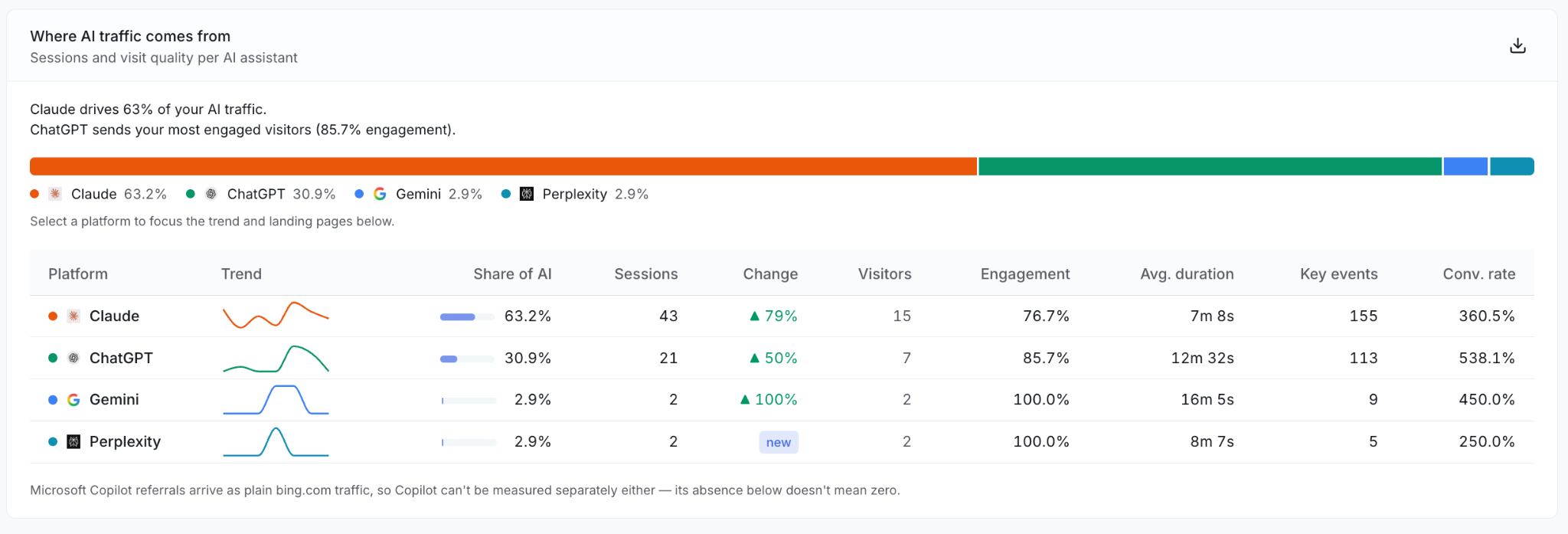
- Measure the results. Track changes in visibility, mentions, average rank, citations, sentiment, and competitor performance. You can also monitor AI referral traffic to see whether those visitors engage and convert.
This brings the familiar SEO workflow into AI search: understand what is working, decide what to do, and measure whether it improves your visibility.
Does GEO replace SEO?
No. Businesses need both.
SEO still matters because people use traditional search, and many SEO fundamentals also support AI visibility. Strong content, backlinks, topical authority, technical accessibility, and third-party coverage remain valuable.
GEO adds the parts that SEO cannot measure: whether AI platforms mention your brand, cite your content, describe you accurately, and recommend you over competitors.
SEO helps your pages get found. GEO helps your brand get selected and recommended.
GEO vs. SEO: The bottom line
SEO improves visibility in traditional search results. GEO improves visibility in AI-generated answers.
The work overlaps, but the outputs and metrics are different. Ranking well does not guarantee that AI platforms will include your brand, and traditional SEO tools cannot show you where you are winning or losing inside AI answers.
As more customers use AI to research and compare products, businesses need to track both search rankings and AI visibility. The goal is no longer only to appear in a list of links. It is also to become part of the recommendation.
Start your free AI visibility audit with ZeroRank AI.
Filed under AI Search Education
Head of content and operations. On a mission to make ZeroRank the go-to platform for AI search visibility.
Keep reading
All posts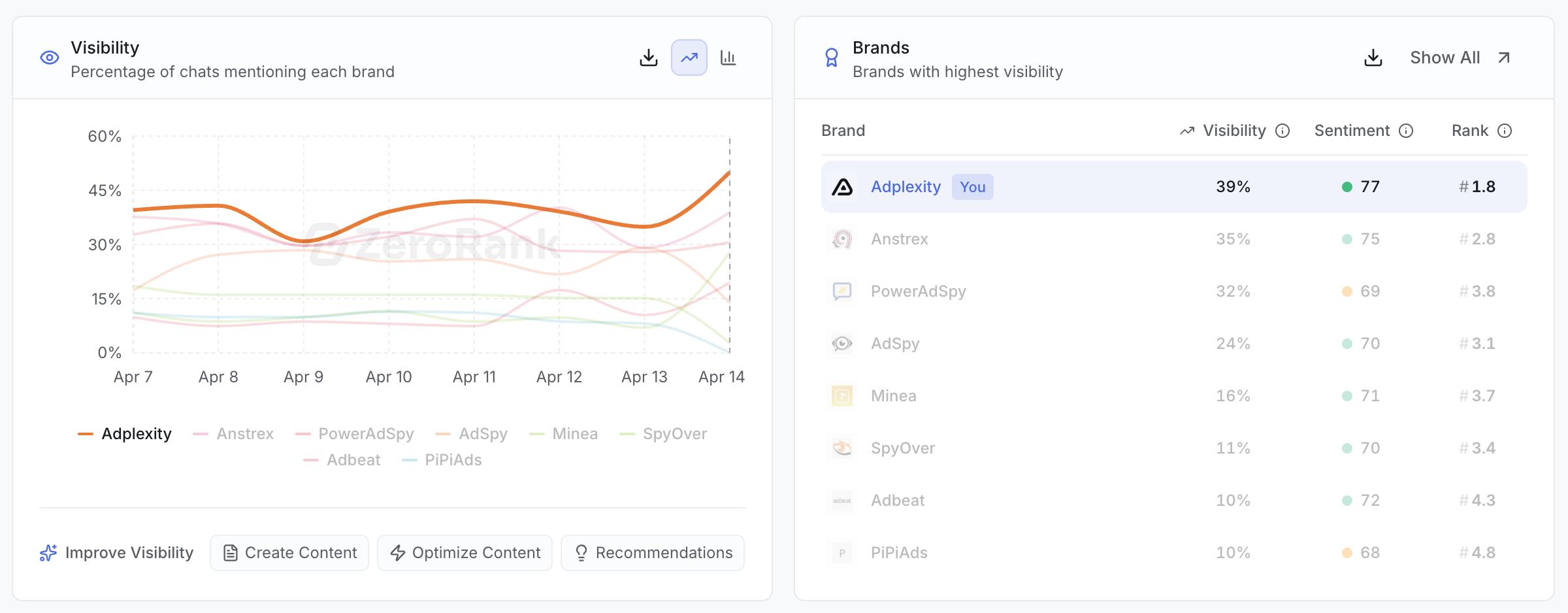 AI Search Education
 AI Search Analytics: What to Track and How to Use the Data
Learn how to use AI search analytics to track visibility, research prompts, analyze sources, and turn your findings into practical improvements.

 AI Search Education
 The 14 Best GEO Agencies for SaaS in 2026 (Pricing and G2 Ratings Verified)
We verified pricing pages, G2 and Clutch ratings, and AI search deliverables for 14 GEO agencies serving SaaS. Six publish no price. See who fits your budget.
 AI Search Education
 Data Scraping vs. API Calls: Best Way to Track AI Search Visibility
AI visibility tools use different methods to collect their data. Learn why UI scraping provides a more accurate view of the brand mentions, citations, and sources users see—and when API calls still make sense.