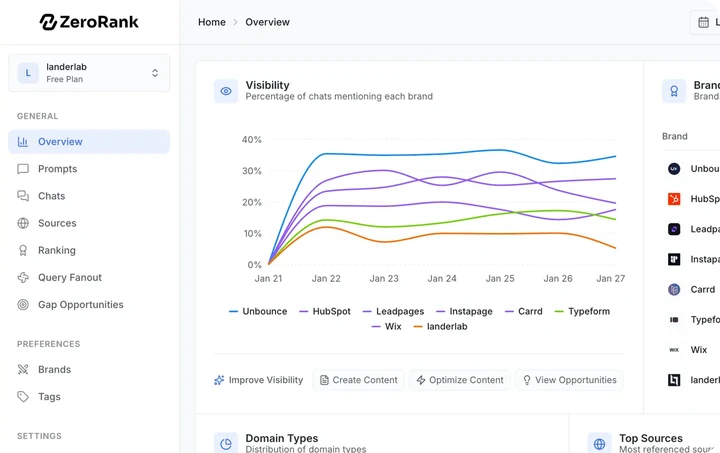
ChatGPT SEO: How to Show Up in ChatGPT Answers
Learn how ChatGPT SEO works, how AI tools choose sources, and what you can do to increase your brand's visibility in ChatGPT generated answers.

Key Takeaways
- ChatGPT SEO is about getting your brand mentioned and cited inside AI-generated answers.
- ChatGPT pulls information from multiple sources across the web, including company websites, reviews, editorial articles, forums, and comparison pages.
- AI models favor brands with strong authority signals, trusted mentions, and clear topical expertise.
- Well-structured content is easier for ChatGPT to understand, extract, and cite in responses.
- Visibility outside your own website matters. Third-party mentions and citations strongly influence AI recommendations.
- Tracking prompts, citations, competitors, and sentiment helps turn AI search optimization into a measurable strategy.
Millions of people are skipping Google entirely and typing their questions directly into ChatGPT. They're asking things like “Which SEO agency should I hire for a B2B SaaS company?” and they’re acting on the answers they get.
If your brand isn’t showing up in those responses, you’re missing a growing slice of high-intent attention.
In this guide, I break down exactly what ChatGPT SEO is, why it matters, and the practical steps you can take to increase your brand’s visibility inside AI-generated answers.
What is ChatGPT SEO and how it differs from traditional SEO?
ChatGPT SEO is the practice of optimizing your website and broader online presence so AI tools like ChatGPT are more likely to mention, cite, or recommend your brand when users ask relevant questions.
Simply put, traditional SEO is about ranking pages. ChatGPT SEO is about becoming part of the answer.
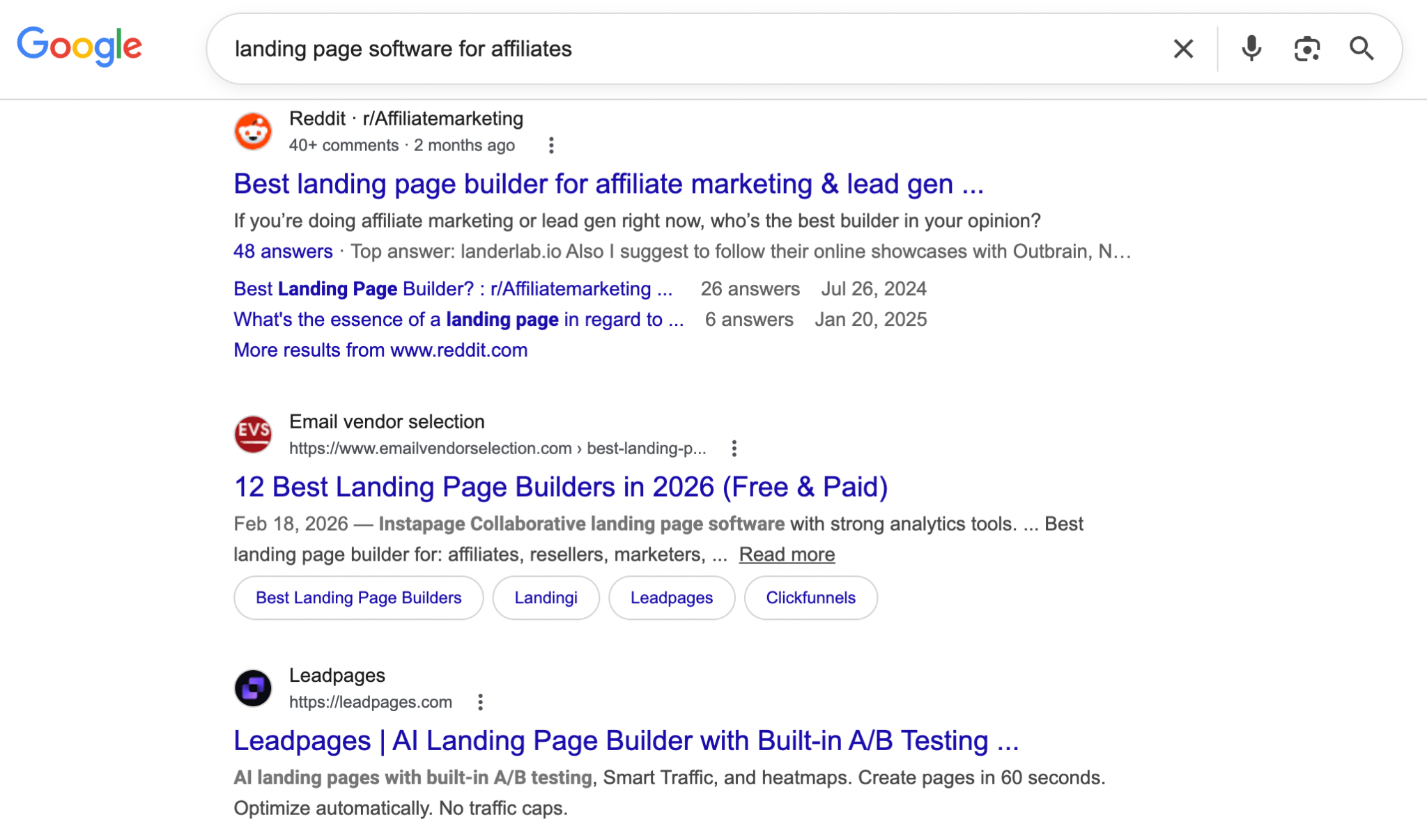
For example, in traditional search, a company selling landing page software might try to rank a page for:
- “best landing page builder”
- “landing page software for affiliates”
The goal is to get users to click a blue link.
In ChatGPT, the interaction looks completely different.
People ask ChatGPT more specific questions.
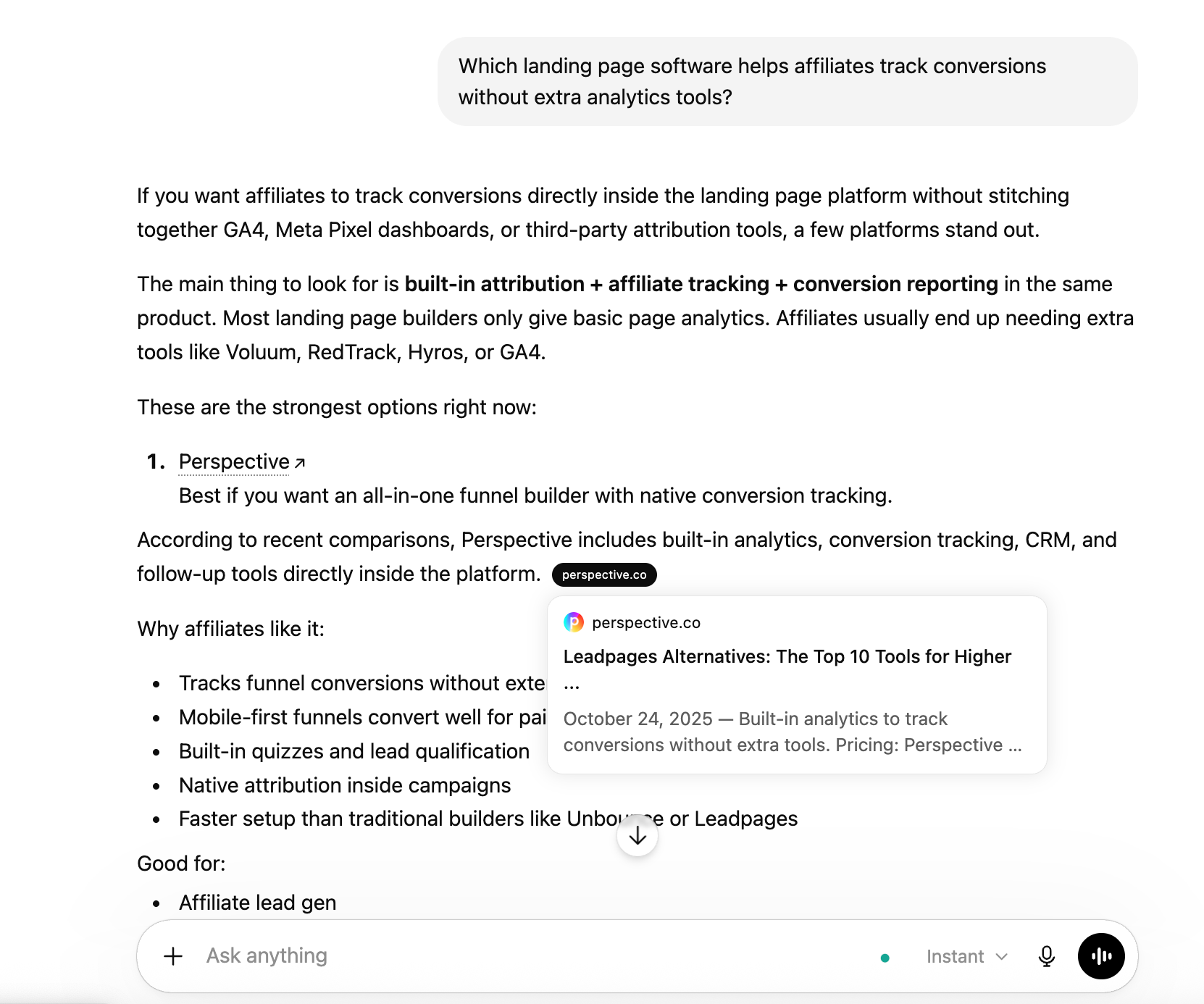
A user might ask: “Which landing page software helps affiliates track conversions without extra analytics tools?”
Instead of showing ten blue links, ChatGPT generates a direct answer by pulling information from different sources across the web, such as company websites, reviews, comparison articles, forums, and editorial content.
That changes the optimization goal completely.
You are no longer competing only for rankings. You are competing to become one of the brands and sources the AI trusts enough to reference inside the response itself.
That said, ChatGPT SEO and traditional SEO still share many of the same foundations: authority, relevance, strong backlinks, clear site structure, and useful content.
The difference is in what you are optimizing for.
Traditional SEO optimizes for clicks. ChatGPT SEO optimizes for inclusion in AI-generated answers.
Why ChatGPT SEO matters right now
ChatGPT processes over 2.5 billion queries per day (opens in a new tab) globally. Users aren’t just asking it to write emails or summarize documents. They’re using it to research products, evaluate service providers, and make buying decisions.
And the questions they ask are often extremely high intent.
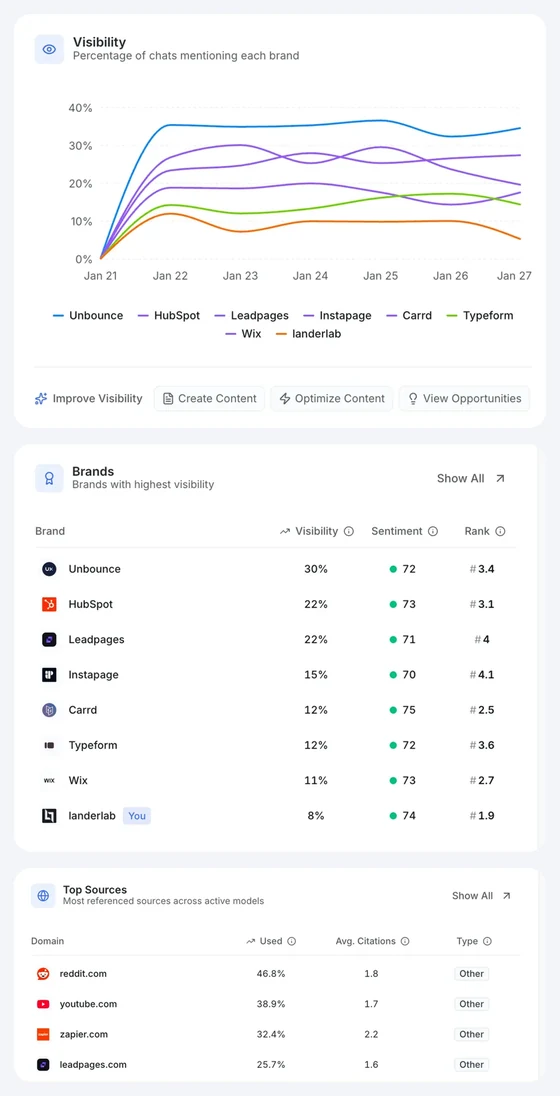
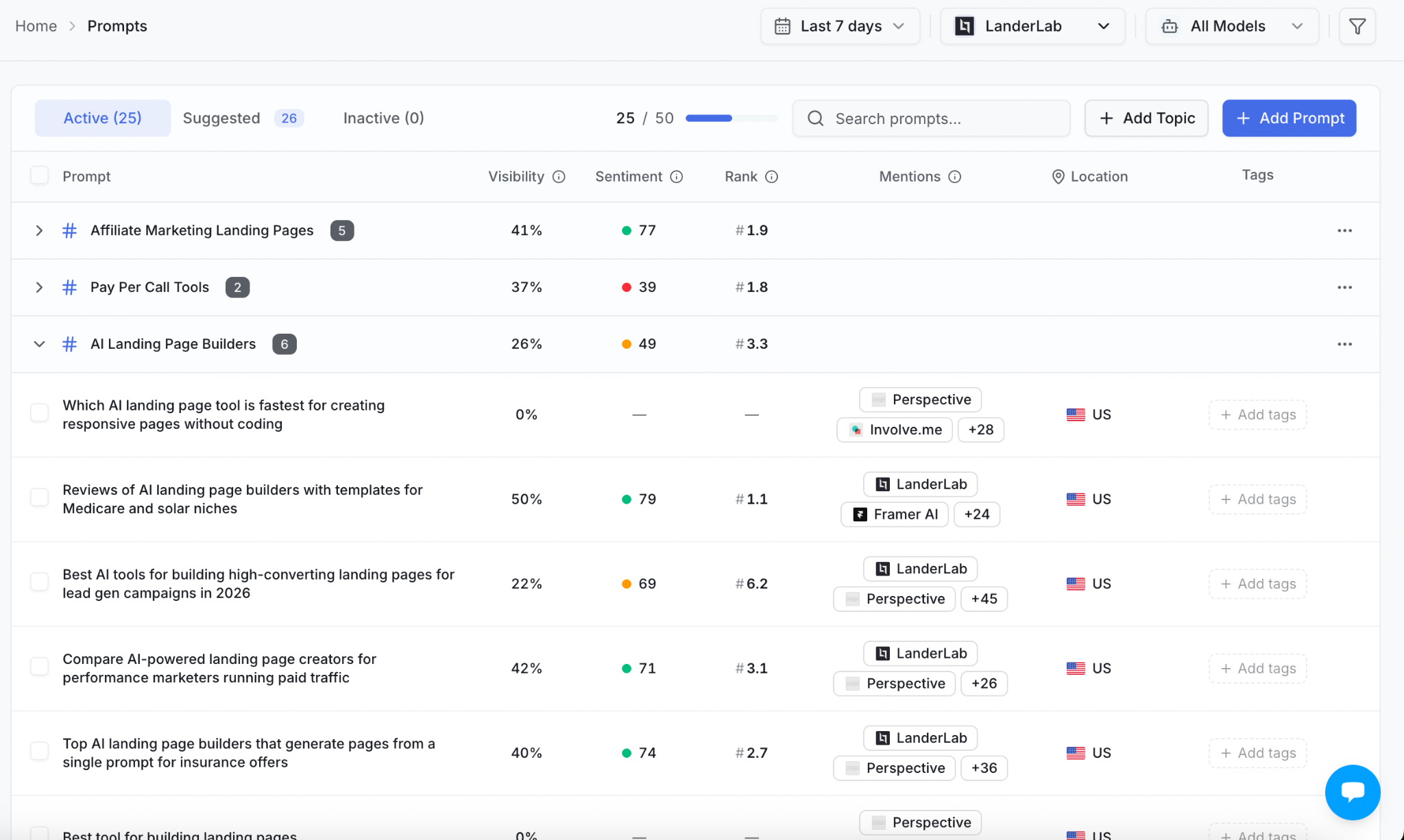
Just look at some of the real prompts AI landing page builder LanderLab is tracking through ZeroRank:
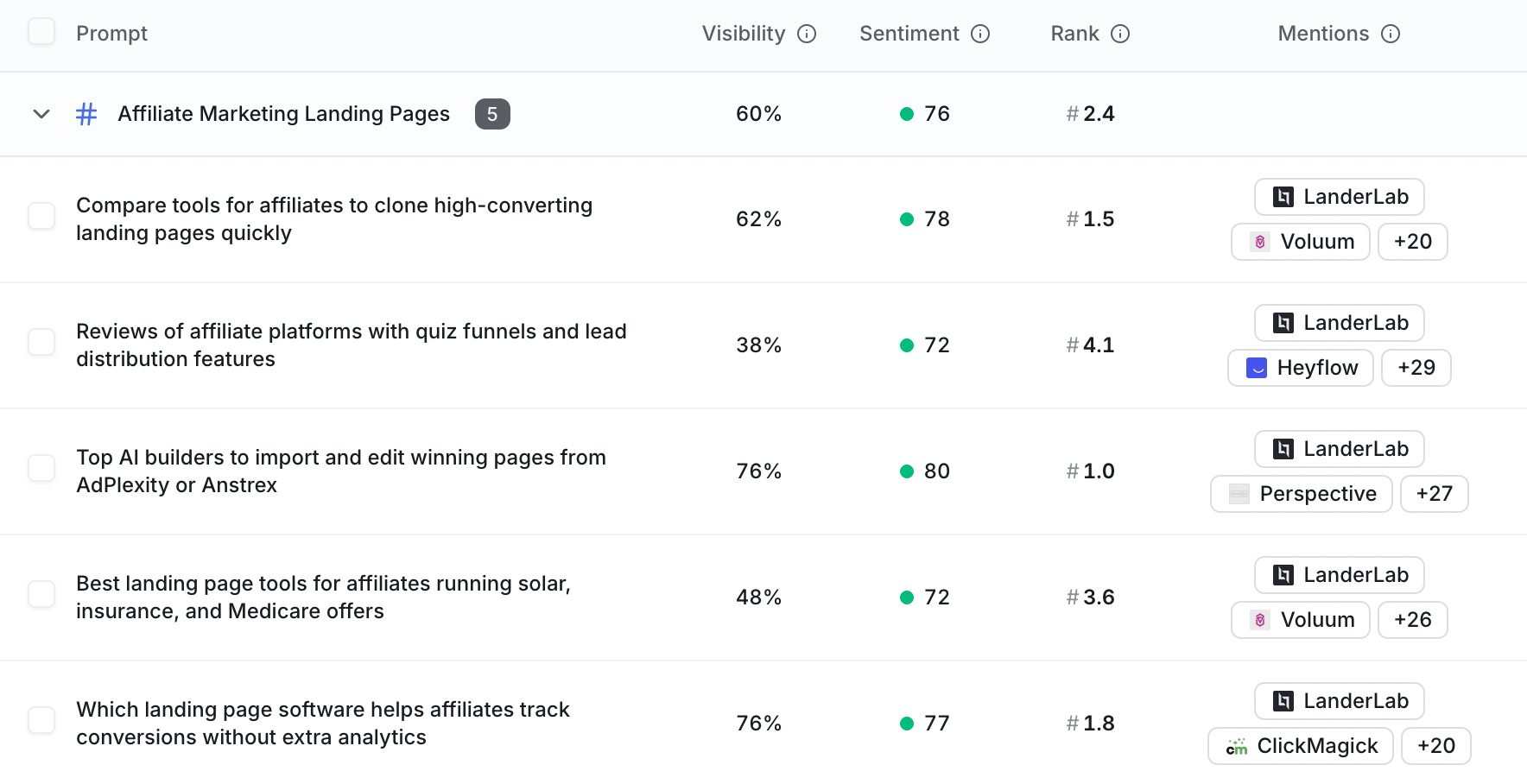
These are not top-of-funnel searches. These are users actively comparing solutions and looking for recommendations.
You can see it in the engagement data too. Visitors arriving on ZeroRank from ChatGPT spend an average of 6 minutes and 19 seconds on the site. That’s significantly higher than every other acquisition channel, including traditional organic search.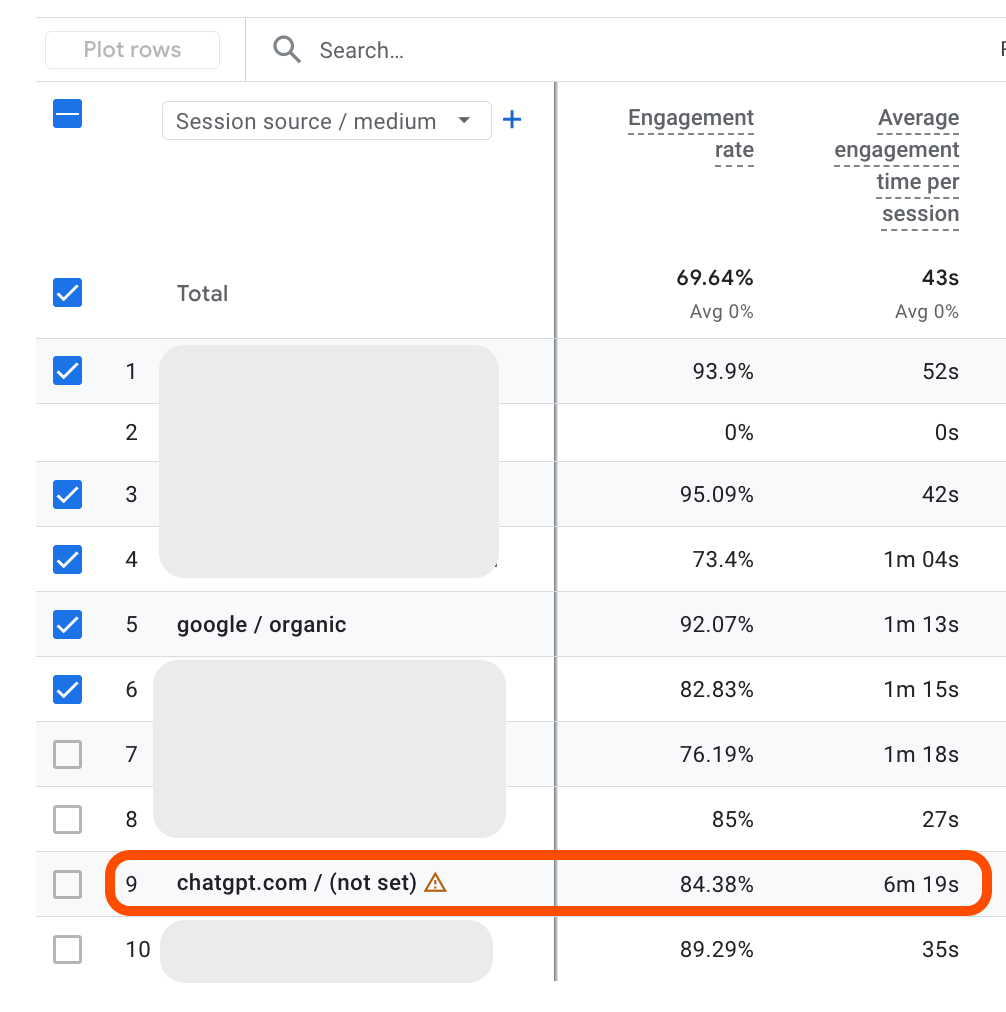
There’s also a compounding SEO benefit.
Over 55% of pages (opens in a new tab) cited by ChatGPT rank in Google’s top 20 results, while pages in position one are cited 3.5 times more often than pages ranking outside the top 20.
Optimizing for ChatGPT visibility often strengthens traditional SEO performance as well.
How ChatGPT decides what to include in its answers
Before you can optimize for ChatGPT, it helps to understand how ChatGPT sources information (opens in a new tab).
ChatGPT is a large language model (LLM) trained on massive datasets from the open web: articles, Wikipedia, forums, documentation, and more.
During training, it doesn’t memorize pages. It learns patterns, facts, and language structures. When a user asks a question, it generates a response based on what it has learned.
Newer versions of ChatGPT also perform live web searches, pulling fresh content at the moment of the query.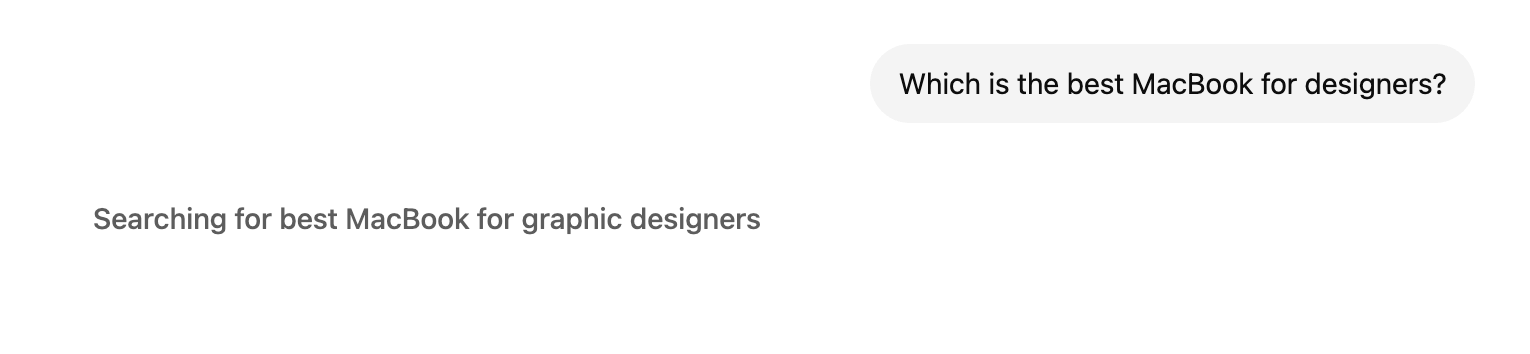
For example, if someone asks: “What’s the best landing page builder for affiliate marketers?”
ChatGPT may separately search for:
- landing page builders
- affiliate tracking features
- reviews and comparisons
- pricing information
- discussions and recommendations
- best tools for affiliates
The model fetches relevant pages, extracts useful information, compares sources, and incorporates those findings into its response, often citing the sources directly.
That is why ChatGPT SEO is not only about your own website.
Your visibility across third-party sources, review sites, communities, comparisons, and editorial mentions also shapes whether ChatGPT sees your brand as trustworthy enough to recommend.
Step-by-step: How to optimize for ChatGPT
Follow these steps to increase your chances of ChatGPT mentioning and citing your brand.
Step 1: Make sure your content is indexed
ChatGPT uses both Google and Bing when performing live web searches. If your pages aren’t indexed in these search engines, they can’t be retrieved and used in real-time responses.
Start with Google Search Console.
- Submit your XML sitemap
- Check the Pages report for indexing errors, and fix any issues preventing Google from crawling your content.
- Use the URL Inspection tool to request indexing for important pages once issues are resolved.
Do the same with Bing Webmaster Tools.
- Submit your sitemap
- Use the Site Explorer to identify crawling issues
- Consider implementing IndexNow: a protocol that notifies Bing and other supporting search engines immediately when you publish or update content.
Faster indexing in Bing means your new content can be picked up by ChatGPT sooner.
Also check that you’re not blocking AI crawlers through your robots.txt file. You can use ZeroRank’s free robot.txt file checker (opens in a new tab).
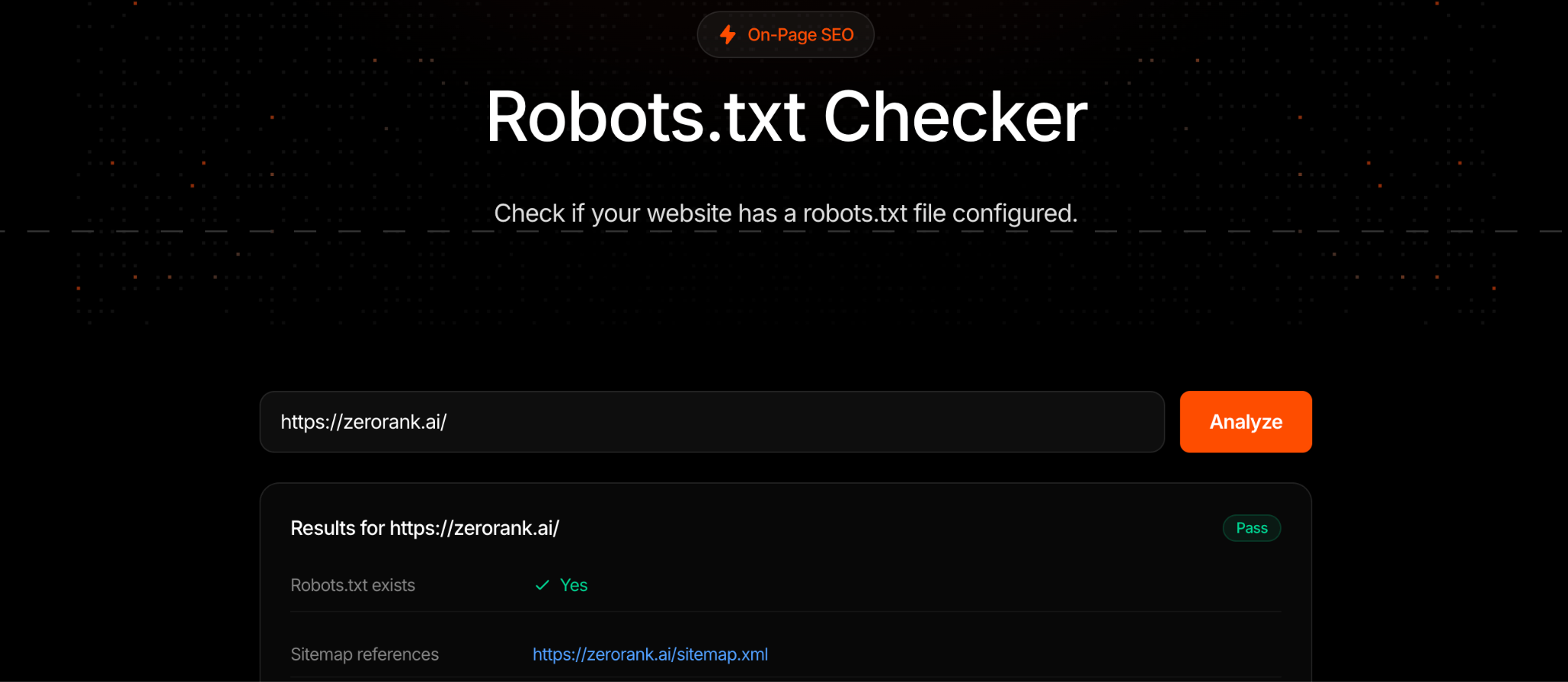
Some site owners inadvertently block crawlers that AI platforms use to retrieve content.
Step 2: Structure your content for AI extraction
This is where most of the AI search optimization (opens in a new tab) work happens. Your goal is to create content that an AI can easily read, understand, and quote.
Answer questions directly and immediately
Don’t bury the answer three paragraphs in. Lead with the conclusion, then support it.
If your heading asks “What is topical authority?”, your first sentence should answer it directly: “Topical authority is the level of expertise and depth a website demonstrates on a specific subject.”
Use descriptive, question-based headings
H2s and H3s that reflect real user questions help AI models identify which section answers which query. They also improve your chances of appearing in featured snippets in traditional search.
Write in natural, conversational language
ChatGPT is trained on human dialogue. Content that reads naturally, clear, direct, and free of unnecessary jargon, aligns better with how the model processes and reproduces information.
Include definitions, statistics, and quotable facts
AI models love content they can lift and use directly. A well-written definition, a specific data point with a source, or a concrete example is far more likely to appear in a ChatGPT response than vague, general statements.
Write sentences that are complete and meaningful even when taken out of context.
Use structured data and schema markup
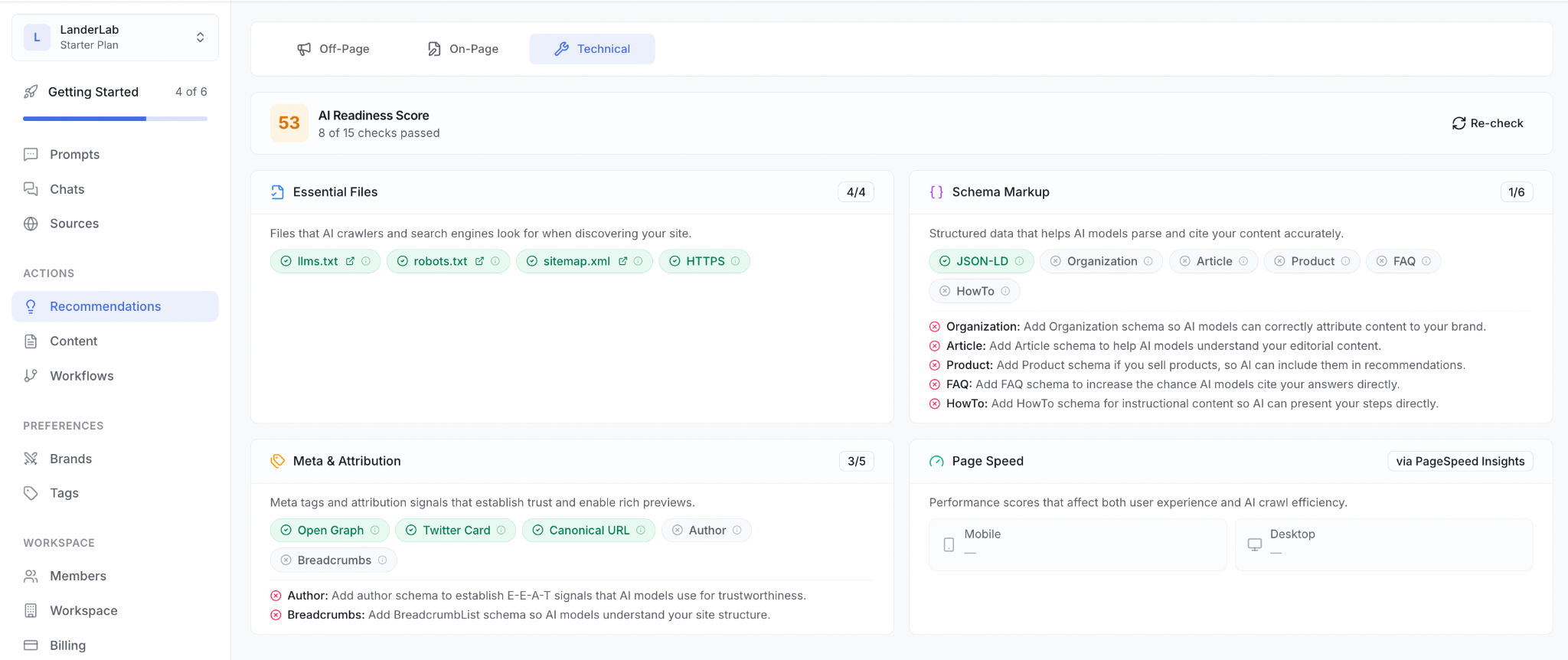
FAQPage schema, HowTo schema, and Article schema help search engines, and by extension AI models, understand the structure and purpose of your content.
Even if ChatGPT doesn’t render your schema directly, the content indexed by search engines is cleaner and more usable when markup is in place.
The Technical Recommendations tab in ZeroRank shows you which schemas are missing from your website.
Use an AI content optimization tool
As AI search becomes more competitive, optimization tools can also help identify gaps between your content and the prompts you want to appear for.
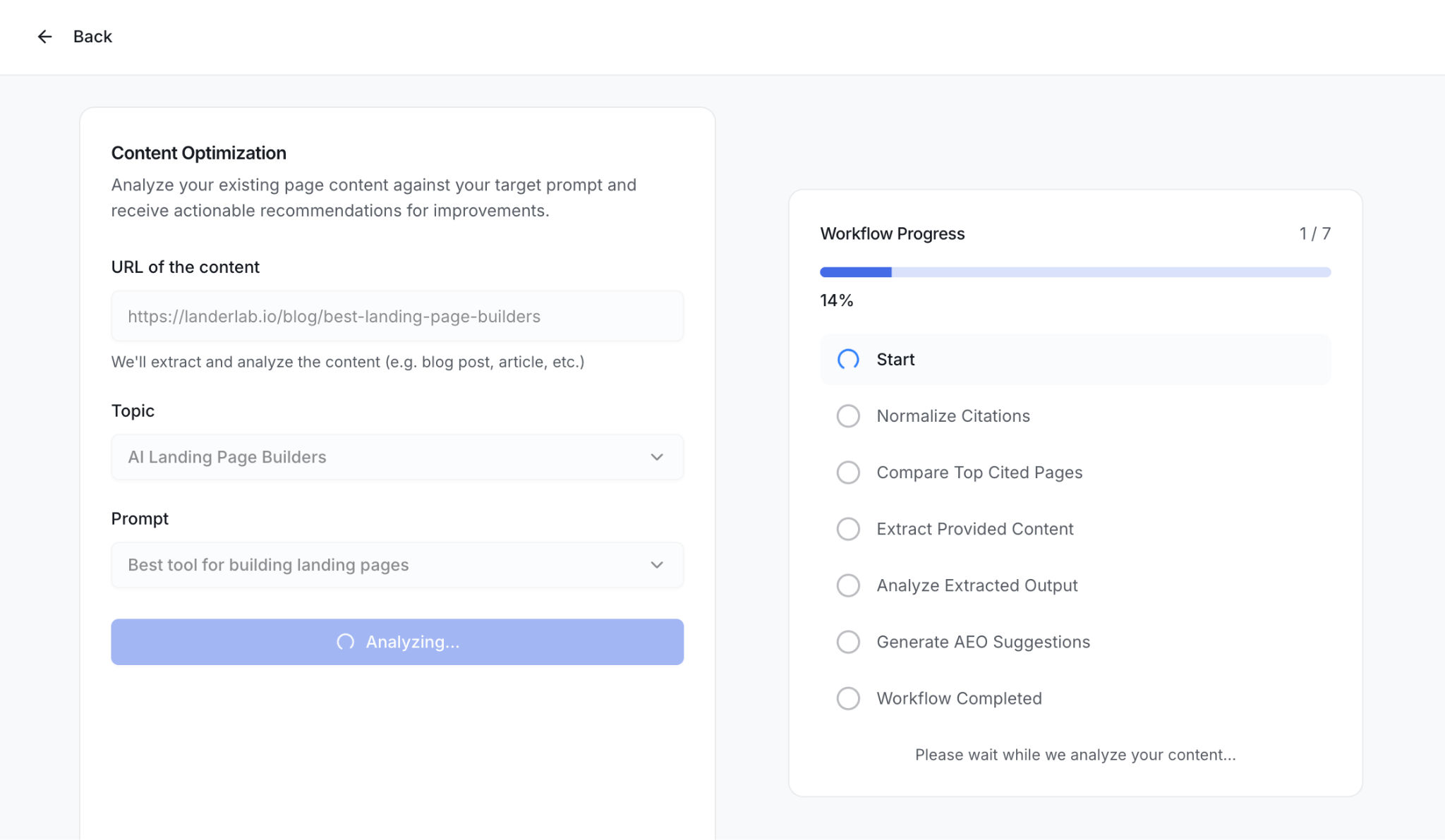
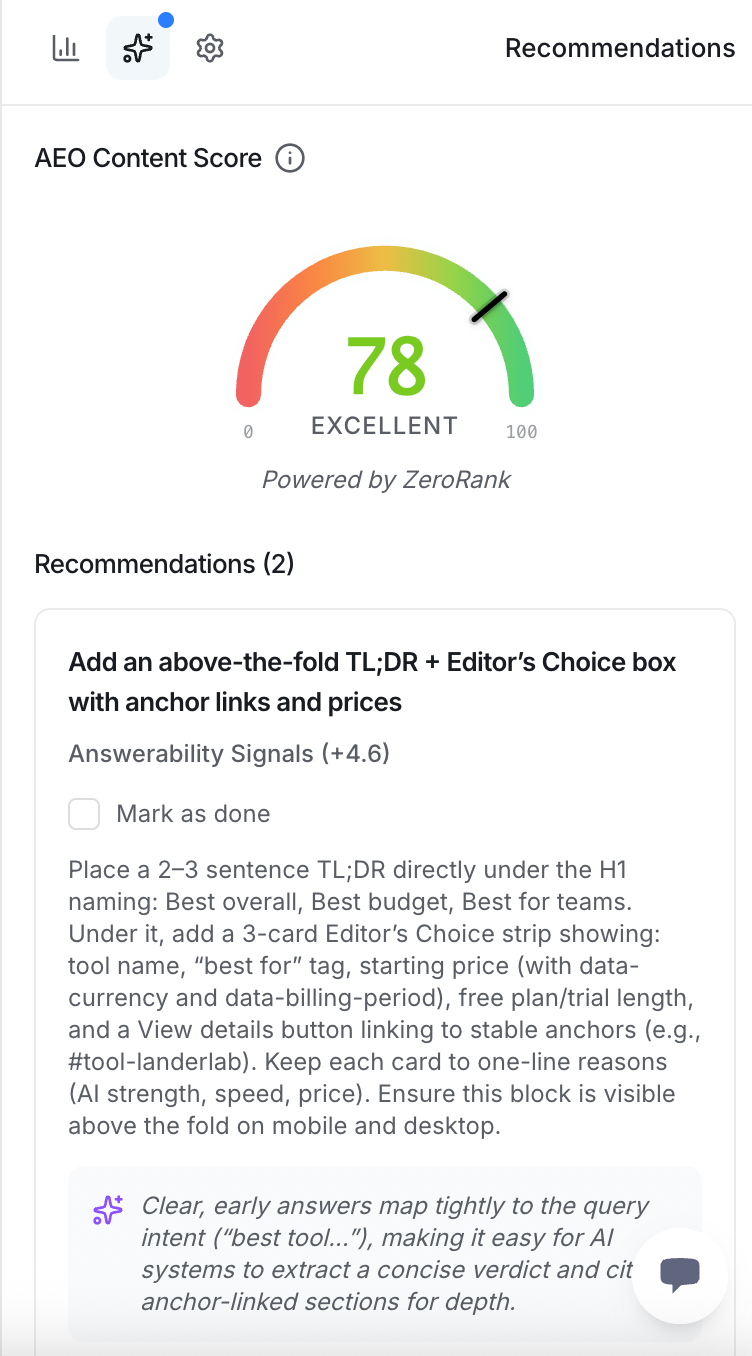
For instance, ZeroRank’s content optimization feature analyzes your content against your target prompts and gives you actionable recommendations on what to improve.
This way you know where your content is falling short and how to go from good to excellent.
Step 3: Build authority signals off your site
On-page optimization only goes so far. ChatGPT’s understanding of your brand is also shaped by what the rest of the internet says about you.
Earn mentions in publications ChatGPT cites
Ask ChatGPT questions in your niche and note which sources appear most frequently. Those are your target publications.
If you do this manually, you’ll have to run this exercise through different prompts.
Alternatively, the Off-Page Recommendations in ZeroRank show you exactly which sources would move the needle. You can sort by how many times a publication has been used by all AI models or filter specifically by ChatGPT.
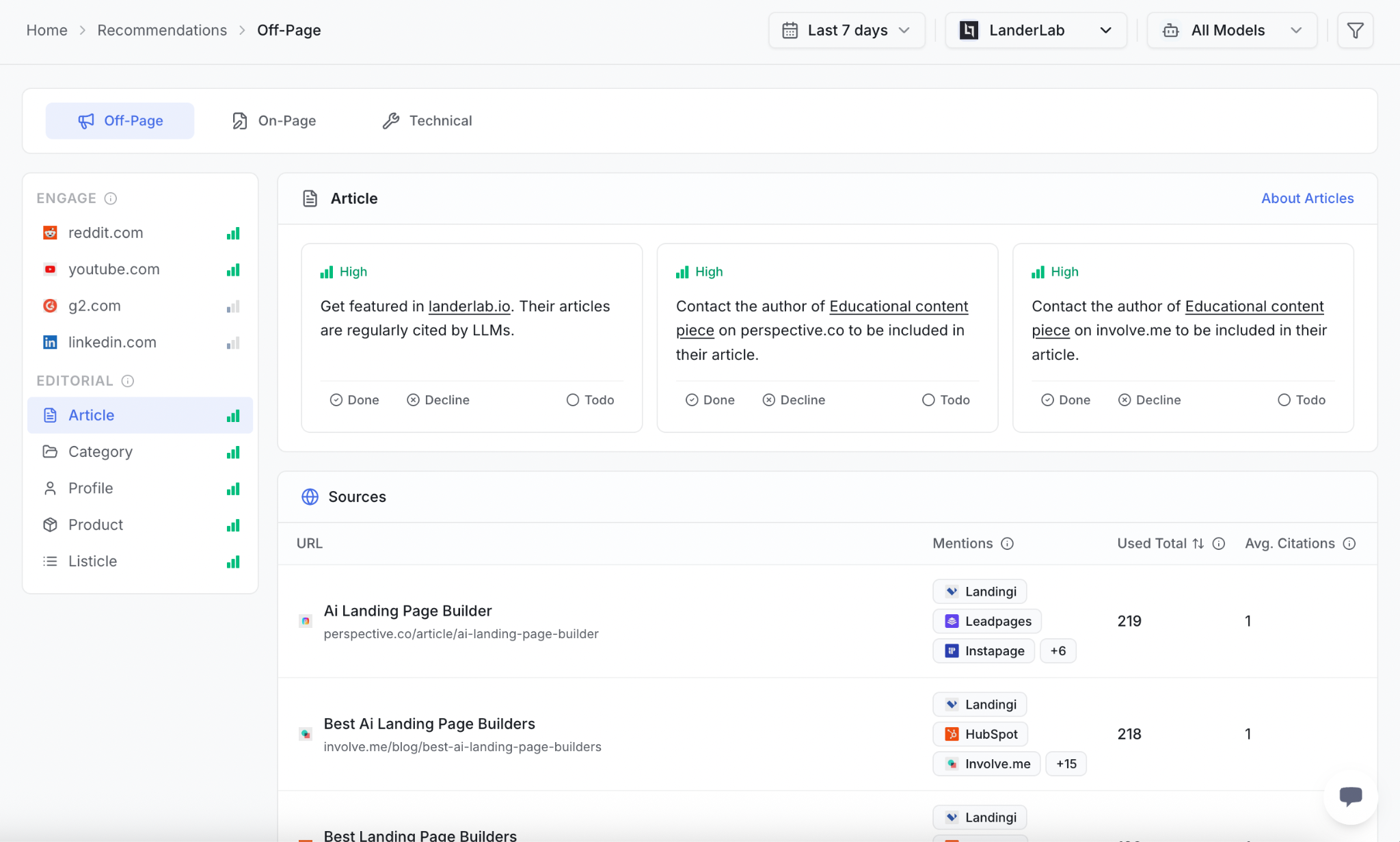
Getting a mention, with or without a backlink, in those outlets increases the likelihood that ChatGPT will recognize your brand as relevant when similar questions come up.
Pursue backlinks from high-authority, frequently-cited sources
Use the same research process to identify backlink targets. A link from a site ChatGPT regularly references is a strong signal of credibility.
Leverage digital PR
Press releases, expert commentary, contributed articles, and data-driven research reports are all effective ways to generate brand mentions across authoritative publications.
Original data is especially valuable. Studies, surveys, and proprietary research are the kind of content other sites reference and link to, which in turn increases your visibility in AI responses.
Maintain consistent brand information
Make sure your brand name, description, and key details are consistent across your website, social profiles, directory listings, and third-party mentions.
Inconsistency can confuse AI models trying to build an understanding of your brand as an entity.
How to measure your ChatGPT SEO performance
Tracking ChatGPT visibility (opens in a new tab) isn’t as straightforward as checking keyword rankings, but it’s entirely doable.
One method is manual testing. Enter queries your target audience would realistically ask into ChatGPT and note whether your brand is mentioned (opens in a new tab) or cited, which pages are referenced, and how prominently your content appears.
Do this regularly and log the results in a spreadsheet, including the query, date, whether you were cited, and which competitors appeared.
Here’s a ChatGPT visibility tracking spreadsheet you can use as an example.
Date | Prompt | Brand Mentioned? | Website/Page Cited? | Citation Source Used by ChatGPT | Position in Response | Brand Framing | Competitors Mentioned | Sentiment | Notes |
|---|---|---|---|---|---|---|---|---|---|
2026-05-10 | Best AI visibility tools for SaaS companies | Yes | Yes | zerorank.ai/blog/ai-visibility-tools | Mentioned first | Positioned as an end-to-end AEO platform | Profound AI, Peec AI | Positive | Mentioned for recommendations + execution capabilities |
2026-05-10 | How can I improve visibility in ChatGPT? | No | No | N/A | Not mentioned | N/A | Scrunch AI, Ahrefs | Neutral | Competitors dominated educational recommendations |
2026-05-10 | ZeroRank vs Profound AI | Yes | Yes | Comparison page | Mentioned second | Framed as simpler and more execution-focused | Profound AI | Positive | Comparison-focused response |
For a more scalable approach, AI search visibility tools (opens in a new tab) like ZeroRank help you to track which prompts your brand appears in across AI platforms, compare your visibility against competitors, and monitor the sentiment of how your brand is being portrayed.
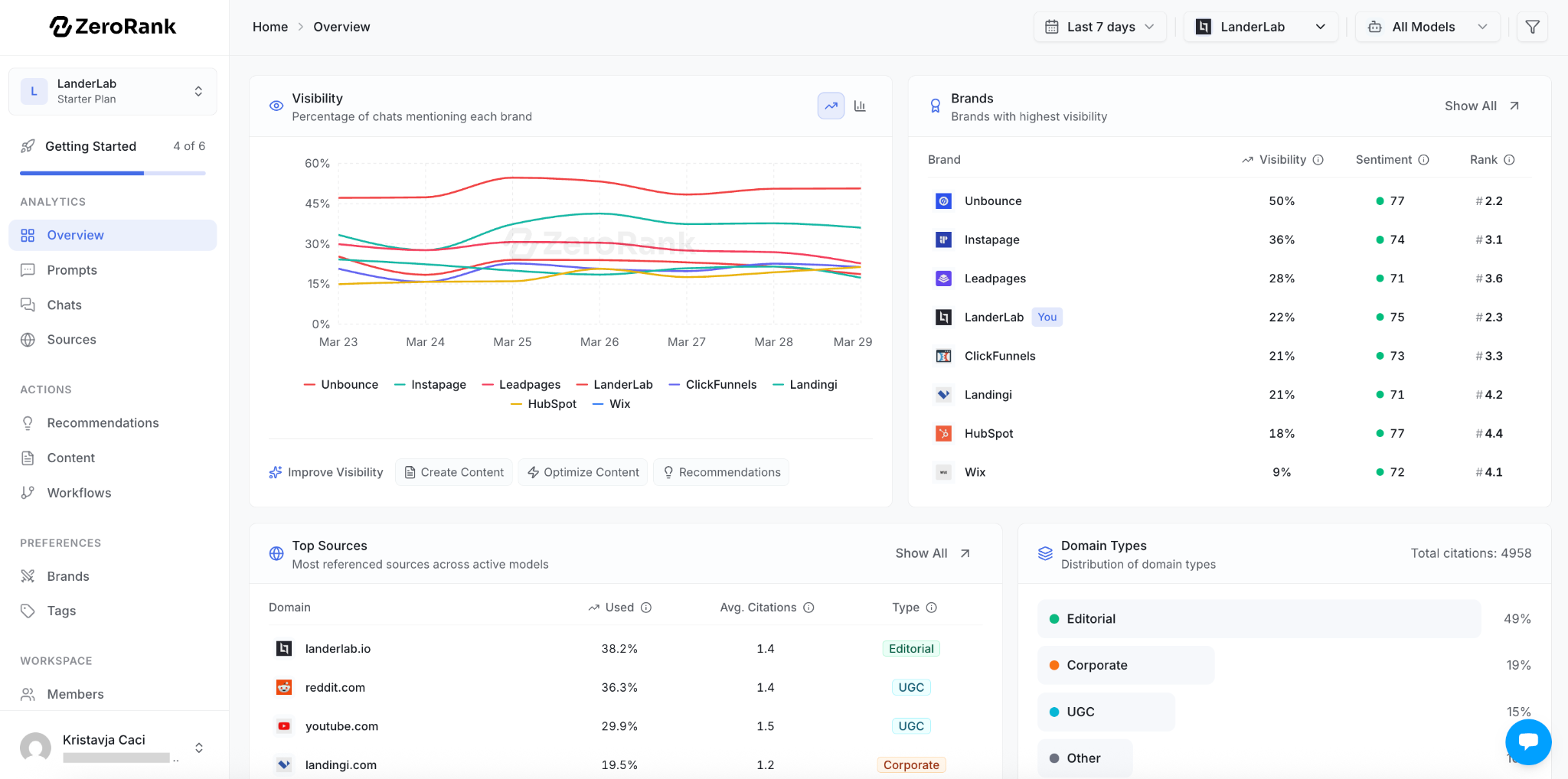
The Prompts report is particularly useful for identifying questions your audience is asking that you don’t currently appear for. These represent content gaps worth addressing.
Pay attention to sentiment as well as visibility. It’s not just about whether ChatGPT mentions your brand. It’s about how.
Positive, authoritative mentions are the goal.
Final thoughts
ChatGPT SEO is about understanding which sources AI models trust, what questions your audience is asking, and how your brand is being positioned inside AI-generated answers.
The companies gaining visibility in ChatGPT are not necessarily the ones publishing the most content. They are the ones creating useful, well-structured content, building authority across the web, and showing up in the sources AI systems already rely on.
But optimization becomes much easier when you can actually see what is happening. That visibility is what turns AI search from guesswork into strategy.
If you want to see how your brand appears across ChatGPT and other AI platforms, ZeroRank helps you track prompts, monitor citations, uncover optimization opportunities, and improve your AI search visibility from one place.
Filed under AI Search Strategies
Keep reading
All posts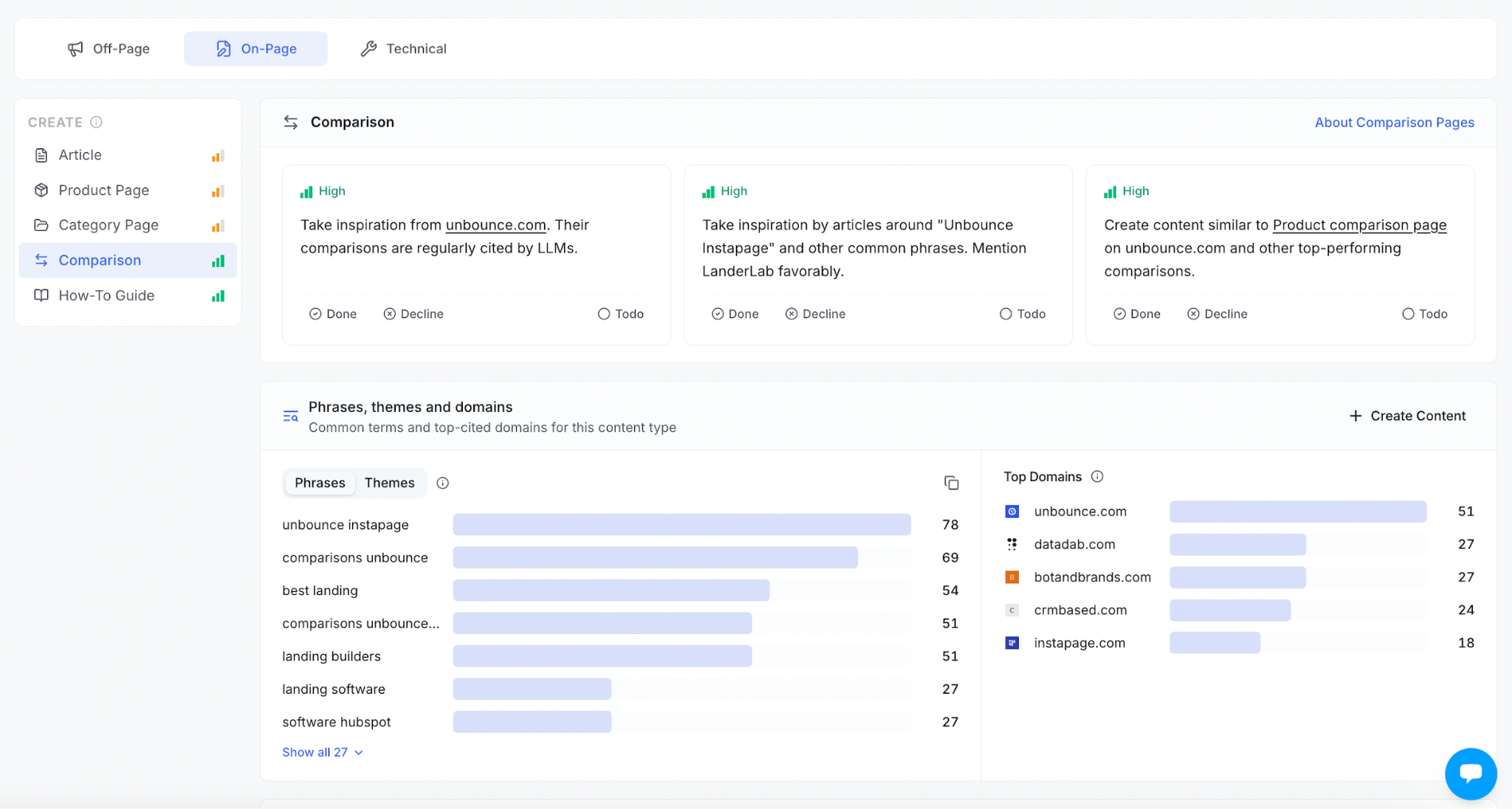 AI Search Strategies
 Answer Engine Optimization (AEO) Checklist
Use this AI search optimization checklist to improve your content, build brand credibility, and fix technical issues so you can get found in AI answers.

 AI Search Strategies
 How to Optimize Content for AI Search: 10 Practical Steps
This guide explains how to find content gaps, create or optimize the right pages, earn more citations, and measure the results with ZeroRank.
 AI Search Strategies
 LLM Prompt Tracking: How to Monitor AI Answers Across ChatGPT, Claude, and More
Tracking the right prompts is the foundation of AI visibility. Learn how to build a high-value prompt library, monitor key metrics across AI platforms, and turn prompt tracking into an effective AI search strategy.